
3D Graphic Design Trends for Better Visual Impact
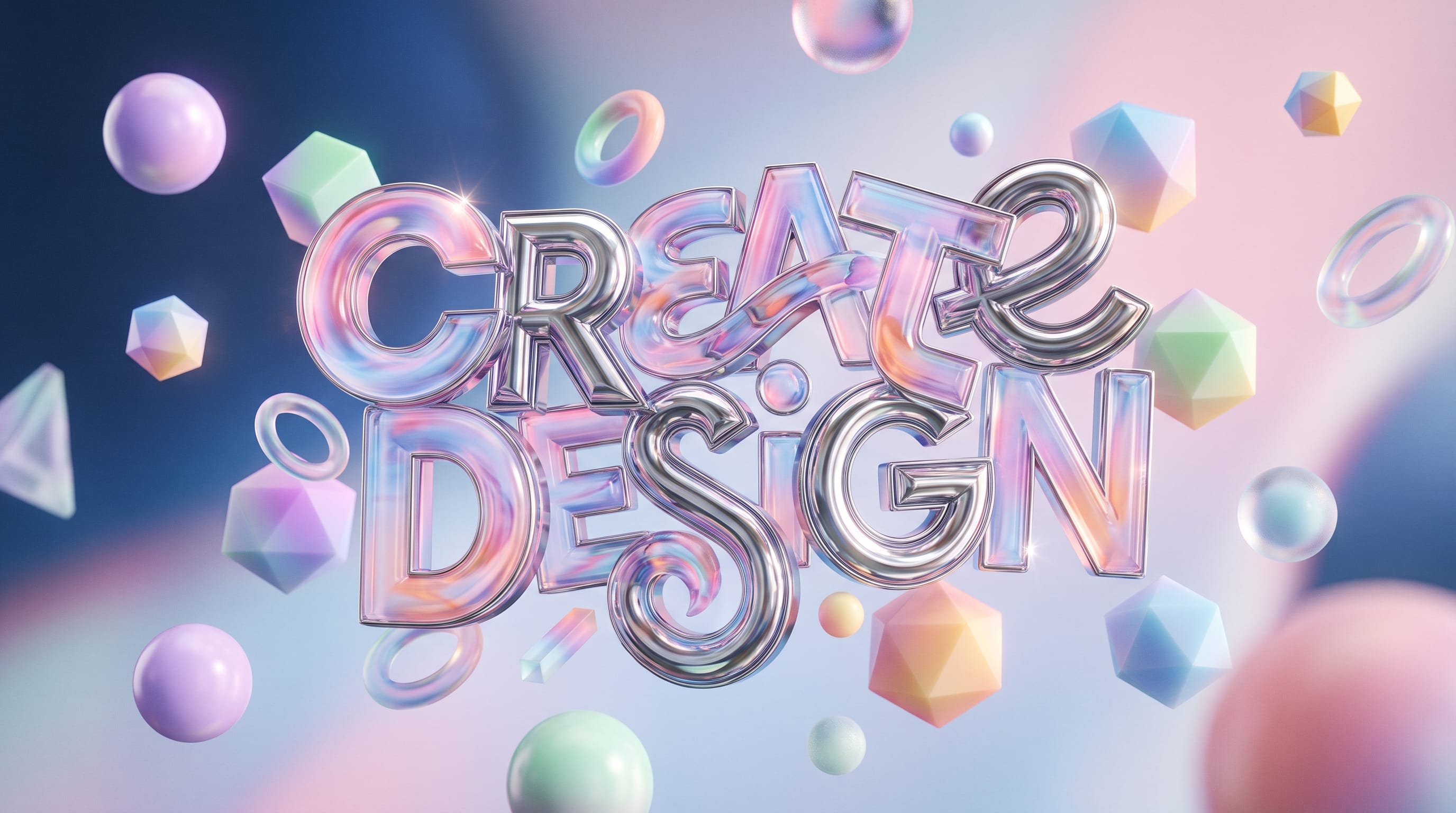
The latest 3D graphic design trends are transforming the way brands communicate with audiences. From realistic product renders and immersive website graphics to bold typography and interactive marketing campaigns, three-dimensional visuals are becoming an essential part of modern design. As technology advances, designers can create eye-catching artwork that feels more engaging, dynamic, and memorable than traditional flat graphics.
Today’s 3D graphic design trends are no longer limited to gaming or animation studios. Businesses, marketers, content creators, and social media designers now use 3D visuals to build stronger brand identities, improve storytelling, and capture attention across digital platforms.
This guide explores the most influential 3D graphic design trends, practical design ideas, typography recommendations from DM Letter Studio, and professional tools that help designers produce high-impact visuals.
Why 3D Graphic Design Trends Matter
Three-dimensional graphics naturally attract attention.
Following modern 3D graphic design trends helps designers:
- Increase visual impact
- Improve audience engagement
- Create memorable branding
- Differentiate marketing campaigns
- Enhance storytelling
- Improve product presentation
- Build premium brand perception
Modern audiences increasingly expect visually immersive experiences.
3D Graphic Design Trends for Branding
Brand identity continues evolving with dimensional design.
3D Logos
Three-dimensional logos create:
- Stronger recognition
- Premium appearance
- Greater visual depth
They are commonly used for:
- Technology brands
- Gaming companies
- Creative agencies
- Digital startups
Layered Brand Elements
Modern branding often combines:
- Floating objects
- Soft shadows
- Glass effects
- Layered illustrations
These elements add realism without overwhelming the design.
3D Graphic Design Trends in Typography
Typography is becoming increasingly dimensional.
Extruded Text Effects
Popular uses include:
- Posters
- Advertising
- Event graphics
- Social media covers
Extruded lettering creates strong visual hierarchy.
Soft Inflatable Typography
Rounded 3D lettering creates:
- Friendly branding
- Playful packaging
- Youth-focused campaigns
This style continues growing in popularity.
Metallic Text Effects
Metallic typography communicates:
- Luxury
- Innovation
- Exclusivity
It works particularly well for premium brands.
3D Graphic Design Trends for Social Media
Social platforms reward visually engaging content.
Floating Product Mockups
Brands increasingly showcase:
- Cosmetics
- Electronics
- Food packaging
- Fashion products
Floating objects create dynamic compositions.
Dynamic Promotional Graphics
Popular features include:
- Layered backgrounds
- Realistic shadows
- Animated depth
- Bold typography
These techniques increase engagement.
3D Graphic Design Trends for Product Packaging
Packaging design benefits greatly from dimensional visuals.
Realistic Product Visualization
Designers create:
- Packaging mockups
- Label presentations
- Product launches
Realistic previews improve customer confidence.
Luxury Packaging
Premium brands often combine:
- Metallic textures
- Soft lighting
- Embossed typography
These details increase perceived value.
Also Read: Graphic Design Basics and Principles for New Designers
3D Graphic Design Trends for Website Design
Web interfaces continue becoming more immersive.
Interactive Hero Sections
Modern websites feature:
- Floating illustrations
- Animated objects
- 3D icons
Interactive visuals improve user engagement.
Glassmorphism with 3D Elements
Glass effects combined with dimensional graphics create:
- Modern aesthetics
- Premium interfaces
- Sophisticated branding
This trend remains popular in technology and SaaS websites.
Recommended DM Letter Studio Fonts for 3D Designs
Typography plays a vital role in dimensional compositions.
Novox
Best for:
- Technology branding
- Gaming graphics
- Futuristic posters
- Product launches
Its bold geometric structure works beautifully with 3D effects.
Zyberon
Perfect for:
- Sci-fi artwork
- Digital branding
- Esports graphics
- Technology advertisements
Its futuristic appearance complements dimensional artwork.
Chunk Story
Recommended for:
- Inflatable typography
- Children’s branding
- Social media graphics
- Promotional campaigns
Its thick letterforms create impressive depth.
Graffikid
Ideal for:
- Urban artwork
- Youth campaigns
- Streetwear branding
- Creative posters
Graffikid performs well with bold extrusion effects.
New Austin
Best for:
- Editorial headlines
- Luxury branding
- Supporting typography
- Marketing layouts
Its clean serif design balances bold 3D visuals.
Altrobyte
Excellent for:
- Tech presentations
- Startup branding
- Product launches
- Motion graphics
Its modern structure enhances futuristic compositions.
Color Trends Supporting 3D Graphic Design
Color enhances dimensional effects.
Popular palettes include:
- Electric Blue + Purple
- Black + Neon Green
- Orange + Deep Navy
- Silver + White
- Cyan + Magenta
- Gold + Charcoal
Lighting and shadows should complement the chosen palette.
Common Mistakes When Following 3D Graphic Design Trends
Avoid these common issues.
1. Overusing Effects
Too many 3D elements create visual clutter.
Focus on one primary visual feature.
2. Ignoring Readability
Typography should remain legible even with dramatic effects.
Keep supporting text simple.
3. Inconsistent Lighting
All objects should share the same light direction.
Consistent lighting improves realism.
Also Read: Best Graphic Design Ideas for Social Media Content in 2026
Best Tools for Creating 3D Graphic Design
Professional software makes complex designs easier.
1. Blender
Best for:
- 3D modeling
- Product visualization
- Animation
- Rendering
Blender is a powerful free solution.
2. Cinema 4D
Best for:
- Motion graphics
- Advertising
- Professional rendering
- Broadcast design
Cinema 4D remains an industry favorite.
3. Adobe Illustrator
Best for:
- Vector graphics
- Typography
- Brand assets
- Logo creation
Illustrator integrates well with 3D workflows.
4. Adobe Photoshop
Best for:
- Compositing
- Text effects
- Mockups
- Marketing visuals
Photoshop is ideal for finishing 3D artwork.
5. Spline
Best for:
- Interactive 3D websites
- Browser-based modeling
- UI presentations
Spline makes web-ready 3D experiences more accessible.
6. Figma
Best for:
- UI design
- Interface mockups
- Collaborative workflows
Figma works well alongside 3D assets.
7. ChatGPT
Best for:
- Creative brainstorming
- Design concepts
- Campaign ideas
- AI prompt generation
AI can accelerate creative exploration.
Recommended Workflow for 3D Graphic Design
- Define your visual objective.
- Choose an appropriate 3D graphic design trends style.
- Select typography that complements the visual style.
- Create primary 3D elements before building layouts.
- Apply consistent lighting and shadows.
- Export optimized versions for websites, social media, print or presentations.
Future 3D Graphic Design Trends
The future continues moving toward immersive experiences.
Emerging trends include:
- AI-generated 3D artwork
- Real-time rendering
- Interactive web graphics
- Mixed reality branding
- Animated typography
- Procedural design systems
Designers who adopt these innovations can create more engaging visual experiences.
Benefits of Following 3D Graphic Design Trends
Designers embracing modern 3D graphic design trends often achieve:
- Better visual engagement
- More memorable branding
- Stronger marketing performance
- Premium product presentation
- Improved storytelling
- Greater creative flexibility
Three-dimensional design helps brands stand out in increasingly competitive digital spaces.
Also Read: Minimalist Graphic Design Inspiration for Modern Brands
Conclusion
The latest 3D graphic design trends continue redefining how brands communicate through digital experiences. From immersive websites and dimensional typography to premium product visualization and social media graphics, 3D design has become an essential creative skill.
By combining modern 3D graphic design trends, carefully selected DM Letter Studio fonts, consistent lighting, thoughtful color palettes, and professional design tools, designers can create visually compelling work that captures attention, strengthens brand identity, and delivers exceptional creative results.