
Beautiful Website Design Inspiration for Designers and Creatives
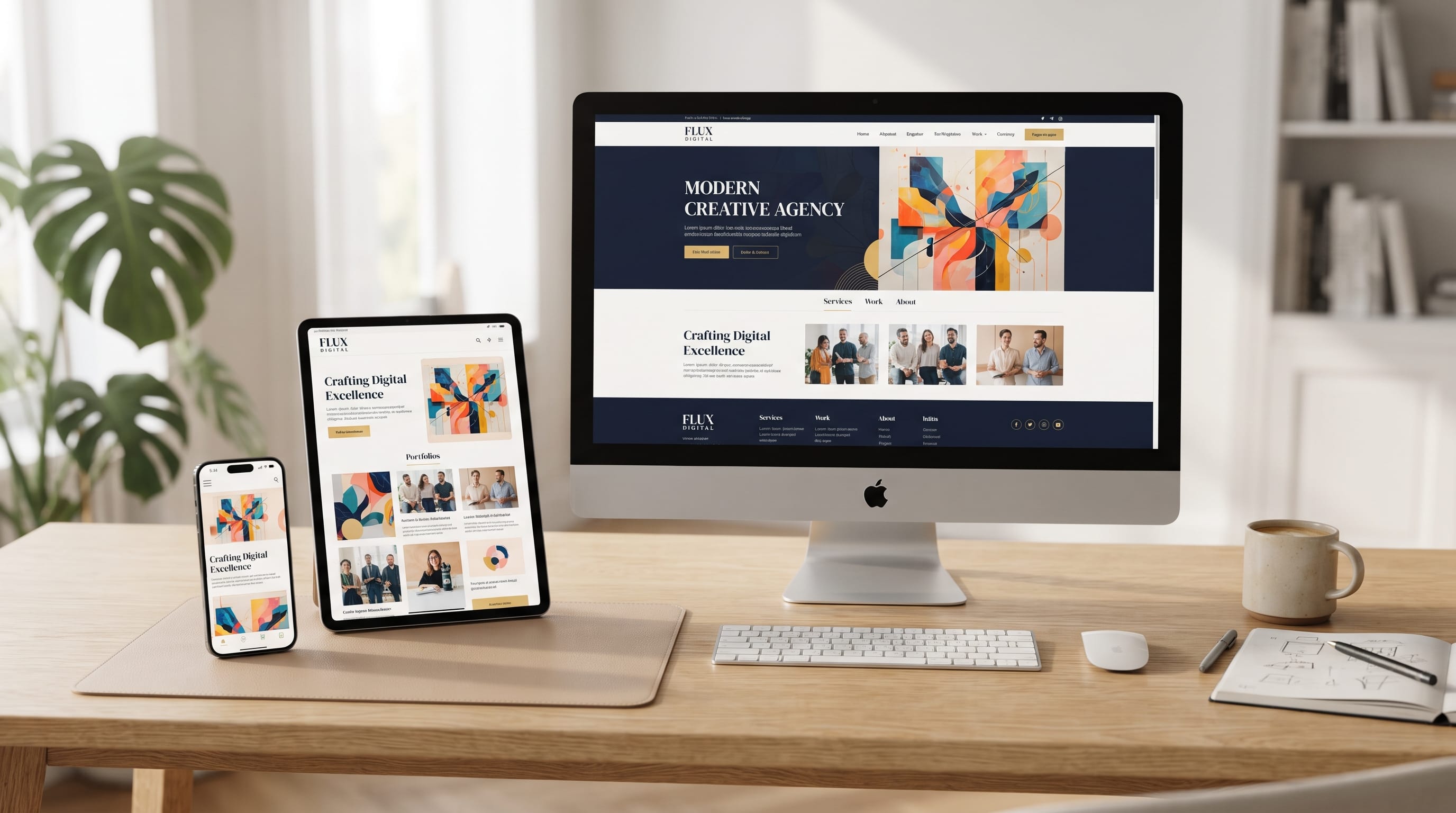
Finding the right website design inspiration can help designers move past creative blocks, explore new visual directions, and build stronger digital experiences. A well-designed website is more than an attractive collection of colors and images. It brings typography, layout, navigation, hierarchy, interaction, and content together into a clear experience that feels intentional from the first screen to the final call to action.
For designers and creatives, inspiration is most useful when it helps you understand why a design works rather than encouraging you to copy it.
A strong reference can reveal better ways to organize content, present a portfolio, build a landing page, use typography, or create a memorable homepage. From there, you can adapt the underlying idea to a different audience, brand, and project.
This guide explores practical website design inspiration across different styles and page types, along with ways to turn those ideas into original work.
1. Minimal Website Design Inspiration
Minimal design continues to be one of the most useful directions for modern websites because it places attention on the content.
A minimalist website often uses:
- Generous white space
- Limited color palettes
- Large typography
- Simple navigation
- Clear hierarchy
- Few decorative elements
- Strong photography or illustration
The goal is not simply to remove things.
Good minimalism helps visitors understand what matters.
For example, a creative studio homepage may use one large headline, a short introduction, a project image, and one clear button. Instead of overwhelming visitors with information, the layout creates a direct path into the work.
When looking for minimalist website design inspiration, pay close attention to spacing. The empty areas around headlines, images, and buttons often contribute as much to the visual quality as the elements themselves.
2. Website Design Inspiration From Bold Typography
Typography can become the strongest visual element on a website.
Many creative websites use oversized headlines as part of the composition rather than treating type as simple supporting text.
This works especially well for:
- Creative agencies
- Fashion websites
- Design portfolios
- Editorial platforms
- Music projects
- Architecture studios
A large headline can immediately communicate personality.
For example, a brutalist website may use heavy condensed lettering, while a luxury portfolio may use an elegant serif with generous spacing.
When studying typographic website design inspiration, look at:
- Font size
- Weight
- Line height
- Letter spacing
- Alignment
- Contrast
- Relationship between headings and body copy
Try to understand the typography system rather than simply choosing the same font.
A successful design usually creates a consistent hierarchy from H1 headings to captions and small interface text.
3. Creative Website Layout Ideas
Not every website needs a traditional centered layout.
Creative projects can explore more expressive structures while maintaining usability.
Possible approaches include:
- Asymmetrical grids
- Split-screen layouts
- Full-width imagery
- Horizontal scrolling sections
- Overlapping elements
- Modular card layouts
- Offset columns
- Editorial grids
An asymmetrical layout can make a portfolio feel more artistic, while a structured modular grid may work better for a design magazine or content-heavy website.
The key is balance.
Unusual layouts should still help users understand where to look and what to do next.
Use website design inspiration to study how designers create visual tension without making the page confusing.
4. Modern Homepage Website Design Inspiration
The homepage often carries the greatest branding responsibility.
Within a few seconds, visitors should understand:
- Who you are
- What you offer
- Why it matters
- What they should do next
A strong homepage might include:
Hero Section
Use a clear headline and supporting statement.
Avoid vague phrases such as:
We Create Amazing Experiences
Instead, explain the actual service or value.
Featured Work
Designers and creative studios can quickly show selected projects.
Large visual previews are often more effective than long introductions.
Trust Elements
Consider including:
- Client logos
- Testimonials
- Awards
- Results
- Case studies
Clear Call to Action
Give visitors an obvious next step.
Examples include:
- View Projects
- Start a Project
- Explore Services
- Shop Collection
- Read Case Study
The best homepage website design inspiration combines strong visuals with a simple journey.
5. Portfolio Website Design Inspiration
A designer portfolio should make the work easy to explore.
Avoid creating such a complicated interface that visitors spend more time learning the navigation than viewing your projects.
A strong portfolio may use:
- Large project thumbnails
- Short project descriptions
- Clean filtering
- Detailed case-study pages
- Consistent image ratios
- Simple navigation
Show the Process, Not Just the Final Result
A good case study can include:
- Project overview
- Challenge
- Creative direction
- Design process
- Final result
- Outcome
This gives potential clients more context about your thinking.
When gathering portfolio website design inspiration, notice how successful sites balance visual impact with practical project information.
6. Editorial Website Design Inspiration
Editorial layouts can bring sophistication to blogs, magazines, creative publications, and content-focused websites.
Common characteristics include:
- Strong typographic hierarchy
- Column-based grids
- Large article imagery
- Pull quotes
- Category labels
- Structured whitespace
- Magazine-inspired composition
Editorial websites often benefit from a clear serif and sans serif combination.
The serif can create personality in headlines, while the sans serif keeps navigation and smaller interface elements clean.
For creative blogs, editorial website design inspiration can help transform a basic article layout into something that feels more intentional and premium.
Also Read: Website Color Schemes That Build a Strong Brand Identity
7. Colorful Website Design Inspiration
Minimalism is not the only direction worth exploring.
Colorful websites can create energy and personality when color is used strategically.
Possible approaches include:
- Bright accent colors
- Pastel palettes
- Gradient backgrounds
- Color-block sections
- High-contrast combinations
- Different colors for content categories
Before selecting colors, define the emotional direction of the project.
For example:
- Soft pastels: friendly, calm, creative
- Black and neon: energetic, experimental, digital
- Warm earth tones: organic, comfortable, natural
- Blue and white: professional, clean, trustworthy
Use color as part of the interface rather than decoration alone.
Buttons, backgrounds, links, labels, and hover states can all help reinforce the visual system.
8. Dark Website Design Inspiration
Dark interfaces can create a dramatic and premium appearance.
They work particularly well for:
- Photography portfolios
- Technology brands
- Creative studios
- Automotive websites
- Music projects
- Gaming
- Luxury products
However, dark design requires careful contrast.
Body text should remain readable.
Avoid using very dark gray text on black backgrounds or overly thin typography.
A dark website does not need to be completely black. Deep charcoal, navy, brown, or muted green can produce a softer result.
When studying dark website design inspiration, look at how designers balance bright imagery, subtle borders, white space, and typography against darker backgrounds.
9. Landing Page Website Design Inspiration
Landing pages have a more focused purpose than ordinary websites.
They are usually designed around one main action.
This might be:
- Buy a product
- Sign up
- Download a guide
- Book a consultation
- Start a trial
- Join a newsletter
A useful landing page structure can include:
- Strong headline
- Supporting benefit
- Clear CTA
- Product or service visual
- Main benefits
- Proof or testimonials
- Additional details
- Final CTA
The most effective landing page website design inspiration often looks surprisingly simple.
A focused page does not need dozens of sections if visitors already have enough information to make a decision.
10. Ecommerce Website Design Inspiration
Ecommerce design needs to make products easy to discover and purchase.
Beautiful visuals matter, but usability matters even more.
A good online store should provide:
- Clear category navigation
- High-quality product images
- Useful filters
- Product information
- Pricing
- Shipping details
- Strong add-to-cart buttons
- Mobile-friendly checkout
Product Pages as Visual Experiences
Product pages can become part of the brand story.
Instead of showing only standard product photos, consider:
- Lifestyle imagery
- Detail photographs
- Materials
- Product demonstrations
- Packaging
- Size references
Fashion, skincare, furniture, food, and creative products can all benefit from stronger visual storytelling.
Use ecommerce website design inspiration to understand how design can support purchasing without distracting from the products.
11. Website Navigation Inspiration
Navigation should feel simple even when the website itself is visually experimental.
Common approaches include:
- Traditional top navigation
- Hamburger menus
- Sidebar navigation
- Full-screen menus
- Sticky headers
- Minimal text menus
The best choice depends on the amount of content.
A small portfolio may only need:
Work / About / Contact
An ecommerce website may require:
New / Shop / Categories / About / Search / Cart
Do not hide important pages purely for visual minimalism.
Beautiful design still needs to help people find information quickly.
12. Microinteractions and Motion Design
Motion can make a digital experience feel more responsive.
Examples include:
- Button hover effects
- Image transitions
- Animated menus
- Scroll-triggered reveals
- Cursor effects
- Loading animations
- Text movement
However, animation should support the experience.
Too much movement can make a website distracting and slower to use.
Use subtle motion to help visitors understand:
- What can be clicked
- What has changed
- Where content appears
- Which element deserves attention
When collecting interactive website design inspiration, consider whether the motion improves usability or simply exists for decoration.
Also Read: Website Layout Design Principles Every Designer Should Know
13. Mobile Website Design Inspiration
A website should not be designed only for a large desktop monitor.
Mobile design requires its own decisions.
Pay attention to:
- Headline size
- Button size
- Navigation
- Image crops
- Spacing
- Content order
- Form fields
- Load speed
A complicated desktop grid may need to become a simple vertical stack on mobile.
Large decorative headlines may need smaller sizing.
Navigation may collapse into a menu.
Responsive design is not only about shrinking elements. It is about creating a comfortable experience for each screen size.
14. Use Website Design Inspiration Without Copying
There is a big difference between inspiration and imitation.
Instead of copying a complete website, isolate what you like about it.
Ask:
- Is it the typography?
- The spacing?
- The image treatment?
- The navigation?
- The color palette?
- The layout rhythm?
- The animation?
- The content structure?
Then combine references from several different sources.
For example:
You might take the editorial hierarchy from one site, the color direction from another, and the navigation idea from a third.
Adapt everything to your own audience and brand.
That creates a more original result.
15. Build a Website Design Mood Board
A mood board can help organize website design inspiration before you begin designing.
Collect examples of:
- Typography
- Color palettes
- Buttons
- Navigation
- Photography
- Grids
- Icons
- Illustrations
- Cards
- Hero sections
- Footer layouts
Then look for patterns.
If most of your references use quiet neutral colors and editorial serif fonts, your intended direction may be sophisticated and minimal.
If they use large display type, bright colors, and unconventional grids, your direction may be more experimental.
A mood board helps you identify these patterns early.
16. Focus on Visual Hierarchy
Visual hierarchy determines what people notice first.
You can create hierarchy through:
- Size
- Contrast
- Position
- Color
- Weight
- Spacing
A typical page might guide the eye through:
Headline → image → supporting text → CTA
If everything has equal visual importance, the interface becomes difficult to scan.
This is one of the most valuable lessons to study when reviewing website design inspiration.
Do not only ask whether a page looks beautiful.
Ask where your eye goes first, second, and third.
17. Turn Website Design Inspiration Into a System
Strong websites rarely feel like unrelated pages.
They use a repeatable visual system.
Create rules for:
- Heading sizes
- Body typography
- Grid spacing
- Button styles
- Colors
- Cards
- Image ratios
- Borders
- Icons
- Section spacing
For example:
- H1: 64 px
- H2: 40 px
- Body: 18 px
- Spacing system: 8, 16, 32, 64 px
The exact values can change, but consistency creates a more professional result.
Once the system exists, designing additional pages becomes easier.
Common Website Design Mistakes to Avoid
Even attractive concepts can become difficult to use.
Watch for:
Too Many Fonts
Usually two type families are enough.
Weak Contrast
Text should be easy to read.
Unclear Navigation
Users should not have to guess where links lead.
Overusing Animation
Movement should support content.
Ignoring Mobile Design
Always test smaller screens.
Copying Trends Without Purpose
A visual trend should support the brand rather than becoming the entire identity.
Adding Too Much Content
More information does not always create a better website.
Edit aggressively.
Also Read: Top Website Design Trends That Will Dominate 2026
Final Thoughts on Beautiful Website Design Inspiration
Great website design inspiration does more than give designers something attractive to look at. It helps reveal how typography, grids, imagery, spacing, color, navigation, and interaction can work together to create a stronger digital experience.
Study minimalist websites for hierarchy and spacing. Explore editorial designs for typography. Look at portfolios for storytelling, ecommerce sites for product presentation, and landing pages for conversion-focused structure.
Then move beyond the reference.
Take the principles that make a design effective and rebuild them around your own project, audience, content, and brand personality.
The best website design inspiration should lead to something new rather than something copied.
Build a reference library, create mood boards, experiment with different layouts, and pay attention to the details that make great websites feel intentional. Over time, studying thoughtful design will strengthen not only your visual taste but also the quality of your own creative decisions.
For high-quality fonts to boost your income, check out DM Letter Studio. Our professional fonts are perfect for branding, marketing, and content creation. So, don’t miss this opportunity.