
Best Customer Service AI Tools for Better Support Experiences
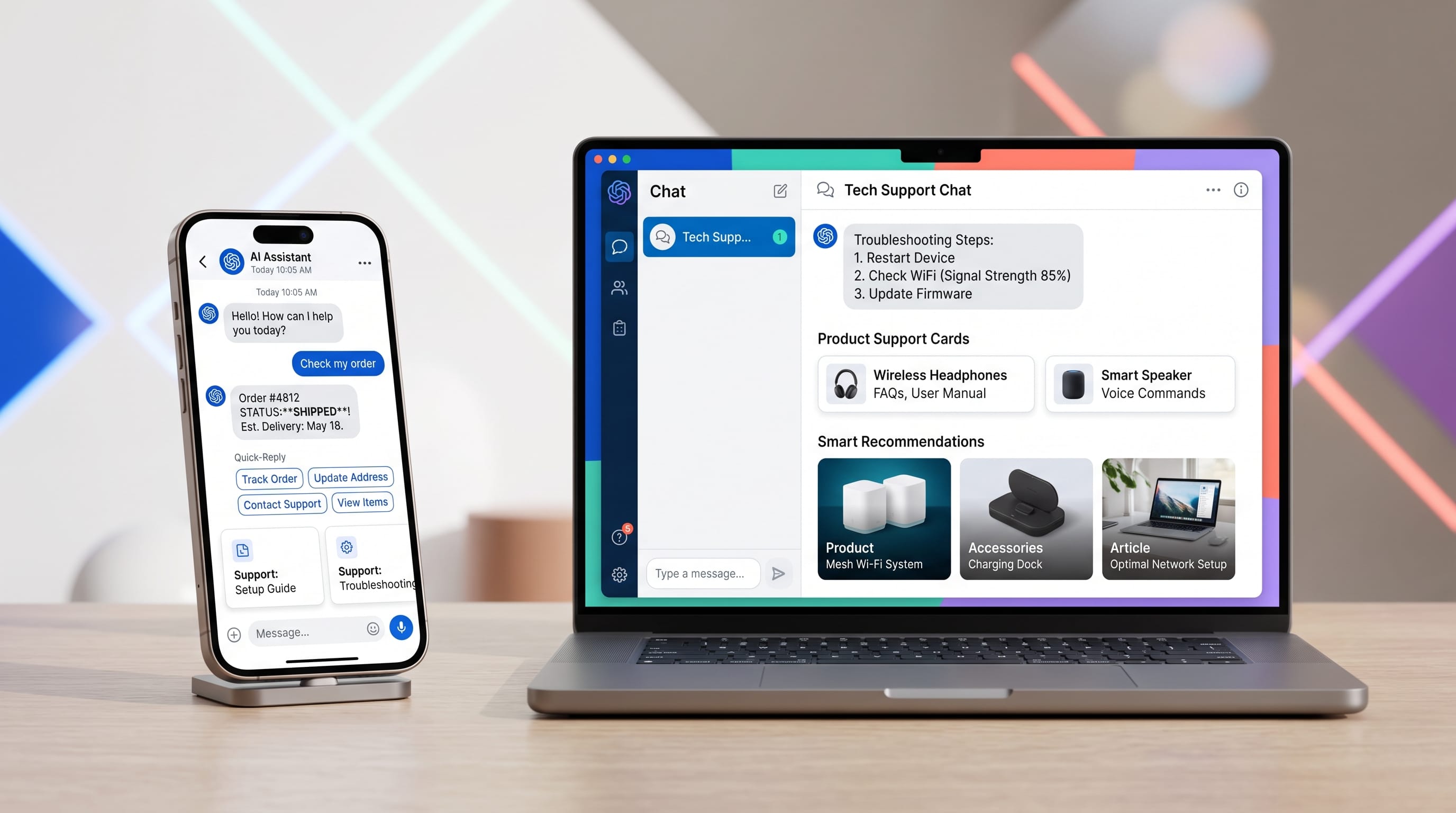
Customer service AI tools are becoming an important part of modern support operations because companies need to answer customers faster without overwhelming human agents. Instead of relying only on basic scripted chatbots, businesses can now use AI agents that understand questions, search company knowledge, complete routine actions, route complex cases, and assist support representatives during conversations.
The shift is especially useful for companies dealing with large volumes of repetitive requests such as order tracking, password resets, account questions, refunds, product information, or appointment changes. By automating suitable conversations, support teams can spend more time on situations that require judgment, empathy, or specialist knowledge.
Current platforms are also moving beyond simple question-and-answer automation. Zendesk, for example, describes its current AI agents as capable of autonomous actions across messaging, email, and other supported channels, while Fin, HubSpot, Gorgias, Ada, and other vendors are building systems designed to resolve customer needs rather than merely suggest help articles.
This guide explores some of the best customer service AI tools available to companies and explains what to consider before adding AI to your support workflow.
What Are Customer Service AI Tools?
Customer service AI tools use artificial intelligence to automate or improve interactions between a business and its customers.
Depending on the platform, they may:
- Answer customer questions
- Search a knowledge base
- Resolve routine tickets
- Route conversations
- Detect customer intent
- Draft responses
- Summarize tickets
- Perform account or order actions
- Escalate complex issues
- Provide multilingual support
- Analyze support quality
- Assist human representatives
The most advanced systems are increasingly described as AI agents rather than traditional chatbots.
A chatbot may simply respond with predefined answers. An AI agent can potentially understand the customer’s goal, gather relevant information, decide what steps are necessary, and take approved actions.
For companies comparing customer service AI tools, this distinction is important because automated resolution can create more value than simple ticket deflection.
Why Companies Are Adopting Customer Service AI Tools
Customer expectations continue to increase. People often want immediate responses whether they contact a company during business hours or late at night.
AI can help companies provide:
Faster First Responses
AI agents can answer routine questions immediately instead of adding every request to a human queue.
24/7 Availability
Customers can receive support even when human teams are offline.
Lower Repetitive Work
Support representatives spend less time answering the same basic questions repeatedly.
More Consistent Answers
AI can use approved knowledge sources, company policies, and predefined instructions.
Easier Scaling
A growing company can handle higher conversation volumes without increasing support staffing at exactly the same rate.
Better Agent Productivity
Some customer service AI tools assist human representatives rather than replacing conversations entirely. They can summarize tickets, suggest responses, or recommend next steps.
The goal should not simply be reducing human involvement. The better objective is assigning routine work to automation while making human support more effective where it matters.
1. Fin for AI-Powered Customer Service
Fin is one of the most prominent AI customer service platforms for companies that want autonomous support combined with human escalation.
Its AI agent can work across service, sales, and ecommerce scenarios. According to Fin’s documentation, it can clarify ambiguous questions, follow company policies, take actions, work across multiple languages and channels, and integrate with existing help desks. Fin can also operate alongside platforms such as Salesforce and HubSpot.
Key Fin Features
Fin can support:
- Automated customer resolutions
- Knowledge-based answers
- Multiple languages
- Multiple support channels
- Human handoff
- Policy-based behavior
- Customer service analytics
- Sales and ecommerce use cases
Its current conversational system is also designed to provide more natural interactions and ask follow-up questions when extra context is necessary.
Best For
Fin may be a strong choice for SaaS companies, technology businesses, ecommerce operations, and larger customer service teams that want dedicated AI automation.
Among customer service AI tools, Fin is particularly focused on AI-first customer conversations rather than treating AI as a small add-on.
2. Zendesk AI Agents
Zendesk is already widely used for customer support, making its AI capabilities attractive to companies that want automation inside an established help-desk environment.
Zendesk’s current AI agents can interact with customers through messaging, email, web forms, API-supported workflows, and other supported channels. They can perform authorized actions and resolve customer requests without human intervention when appropriate.
Zendesk also completed an important shift in 2026 by expanding its more advanced agentic AI capabilities across Zendesk Suite and Support plans.
Key Zendesk AI Features
Useful capabilities include:
- Automated ticket resolution
- Customer intent recognition
- AI-generated responses
- Agentic workflows
- Ticket routing
- Knowledge integration
- Human escalation
- AI-powered agent assistance
Zendesk also offers Agent Copilot, which can suggest next steps, surface relevant information, and perform agent-approved actions to help human representatives work more efficiently.
Best For
Zendesk is well suited to established support teams that already rely on ticketing, help centers, multiple channels, and structured customer service operations.
Companies using Zendesk may find it easier to add AI within their existing environment rather than migrating to a completely separate platform.
3. HubSpot Breeze Customer Agent
HubSpot Breeze Customer Agent is designed for companies that want AI customer service connected directly to their broader CRM and customer data.
The agent can answer questions using existing website content, knowledge-base articles, and other company information. HubSpot says the Customer Agent can provide 24/7 responses while routing more complicated issues to human representatives with context.
Key HubSpot Breeze Features
Breeze can support:
- Automated ticket responses
- Knowledge-base answers
- Customer context
- Ticket escalation
- Reply recommendations
- Knowledge-base assistance
- Help-desk automation
- CRM-connected workflows
HubSpot also uses AI for ticket categorization, naming, language detection, and routing.
One notable change in 2026 is HubSpot’s movement toward outcome-based pricing for some AI agents, including Customer Agent.
Best For
HubSpot Breeze is especially attractive for companies already using HubSpot for marketing, sales, CRM, or customer service.
The advantage is context. Support conversations can potentially connect more naturally with customer records and other parts of the customer journey.
Also Read: 25 Best AI Tools to Boost Productivity in 2026
4. Ada for Enterprise AI Customer Service
Ada focuses heavily on autonomous customer service for enterprise organizations.
The platform is designed to resolve both common and more complicated customer needs while escalating conversations to human support when necessary.
Ada’s 2026 deployment with Malaysia Airlines illustrates the type of enterprise use case it targets. The airline uses an Ada-powered AI agent across digital touchpoints including web, mobile messaging, and email to support customer needs throughout the travel journey.
Key Ada Features
Ada can be considered for:
- Agentic customer service
- Omnichannel automation
- Complex support conversations
- Enterprise-scale deployment
- Human escalation
- Personalized support
- Voice-related AI experiences
- Multichannel customer journeys
Ada reported more than 550 enterprise AI agents deployed globally as of early 2026.
Best For
Ada is better suited to larger companies that need sophisticated customer-service automation across substantial support volumes and multiple channels.
For smaller businesses, the platform may offer more capability than is necessary.
5. Gorgias AI Agent
Gorgias is particularly interesting for ecommerce companies, especially businesses operating Shopify stores.
Its AI Agent can serve both as a support agent and a shopping assistant. According to current Gorgias documentation, it can handle post-purchase issues such as order tracking, cancellations, missing items, and returns while also helping pre-purchase customers discover products.
Key Gorgias AI Features
Gorgias AI Agent can provide:
- Order tracking support
- Return assistance
- Order cancellation
- Product recommendations
- Brand-specific tone
- Email, chat, and SMS interactions
- Human handoff
- Actions inside connected systems
Companies can control its knowledge sources, tone, behaviors, and topics that should always be passed to human agents.
Gorgias also supports automated actions rather than limiting the AI to generating text.
Best For
Gorgias is one of the strongest customer service AI tools for ecommerce brands that need both pre-purchase assistance and post-purchase customer support.
It is particularly relevant when order data and Shopify workflows are central to the customer service operation.
6. Tidio Lyro AI Agent
Tidio combines live chat, help-desk functionality, and its Lyro AI Agent in one platform.
This can make it attractive to smaller and growing companies that want customer service automation without building a complicated enterprise system.
Lyro can be trained using verified company data and used to answer customer questions automatically. Tidio currently positions the system as a way to automate a significant portion of customer conversations while keeping human support available for other cases.
Key Lyro Features
Lyro may support:
- Automated chat conversations
- Knowledge-based answers
- Human agent handoff
- Live chat
- Help-desk workflows
- Conversation analysis
- Proactive customer engagement
A 2026 update added proactive roles, allowing Lyro to initiate conversations based on configured triggers rather than waiting for customers to ask a question.
Best For
Tidio may be suitable for:
- Small businesses
- Ecommerce websites
- Growing support teams
- Companies wanting chat-first automation
It can provide an easier starting point than some enterprise-focused customer service AI tools.
7. Freshworks Freddy AI
Freshworks continues to develop Freddy AI across its service products.
Freddy includes AI-agent and copilot capabilities intended to automate service tasks and assist support teams. Freshworks’ 2026 product updates include Freddy AI Agent Studio and other AI-first service functionality aimed at expanding automation and agent productivity.
Key Freddy AI Capabilities
Depending on the Freshworks product and configuration, companies may use AI for:
- Automated service interactions
- Agent assistance
- Ticket summaries
- Suggested responses
- Workflow automation
- Knowledge retrieval
- Service analytics
Best For
Freshworks is worth considering for companies that want AI within a broader help-desk or service-management ecosystem.
It can be particularly practical for mid-sized businesses already using Freshdesk or related Freshworks products.
8. Salesforce Agentforce for Customer Service
Salesforce Agentforce is designed for organizations that want autonomous AI agents connected deeply with CRM data and business workflows.
Salesforce describes AI customer service agents as systems capable of handling both simple and complex service requests, including frequently asked questions and actions such as product returns.
Key Agentforce Advantages
Companies may use Agentforce for:
- Personalized support
- CRM-connected customer context
- Automated service actions
- Complex workflows
- Customer data integration
- Human escalation
- Enterprise automation
The strongest advantage is integration with the wider Salesforce ecosystem.
Best For
Agentforce is most relevant to larger organizations already using Salesforce CRM, Service Cloud, or other Salesforce products.
For these companies, connecting AI directly with customer records and workflows may be more valuable than deploying a completely separate chatbot platform.
Also Read: AI Content Creation Tools Every Creator Should Try
How to Compare Customer Service AI Tools
The best tool depends on your support operation rather than which vendor has the longest feature list.
Consider the following factors.
1. Automated Resolution
Can the AI actually complete a customer request, or does it only provide information?
For example, a customer asking about a refund may need more than an article explaining the refund policy. A stronger agent may verify eligibility, process the approved action, and confirm the outcome.
2. Human Handoff
Good AI support needs a reliable escalation process.
The system should recognize when:
- It lacks enough information
- A customer requests a human
- The conversation becomes sensitive
- The issue requires specialist approval
- The customer is frustrated
Human agents should receive enough context to avoid making customers repeat everything.
3. Knowledge Sources
Strong customer service AI tools should be able to use trusted company information such as:
- Help-center articles
- Product documentation
- Policies
- Website pages
- CRM information
- Order data
- Internal knowledge
Poor source material will usually lead to poorer AI responses.
4. Integrations
Check whether the platform integrates with:
- CRM
- Ecommerce platform
- Help desk
- Messaging channels
- Order management
- Billing
- Knowledge base
- Internal tools
The ability to take meaningful actions often depends on these integrations.
5. Reporting
Companies should measure more than the number of AI conversations.
Useful metrics may include:
- Resolution rate
- Escalation rate
- Customer satisfaction
- Response time
- Cost per resolution
- Most common issues
- Failed automation topics
- Agent productivity
These measurements can help identify where the AI is working and where improvement is needed.
Customer Service AI Tools Comparison
| Tool | Best For | Main Strength |
|---|---|---|
| Fin | AI-first support teams | Autonomous customer conversations |
| Zendesk AI | Established support operations | Help desk and agentic automation |
| HubSpot Breeze | HubSpot users | CRM-connected customer service |
| Ada | Enterprises | Large-scale agentic support |
| Gorgias | Ecommerce | Shopping and order support |
| Tidio Lyro | Small and growing businesses | Accessible chat automation |
| Freshworks Freddy | Mid-sized service teams | AI within Freshworks service tools |
| Salesforce Agentforce | Large Salesforce users | CRM and workflow integration |
The right choice depends heavily on your existing technology stack.
How to Implement Customer Service AI Tools Successfully
Buying the software is only the beginning.
1. Start With Repetitive Questions
Identify the issues that support agents answer repeatedly.
Examples include:
- Order status
- Shipping questions
- Account access
- Password resets
- Pricing
- Product availability
- Returns
- Appointment changes
These are strong candidates for early automation.
2. Improve Your Knowledge Base
AI needs accurate source material.
Review outdated articles, conflicting policies, unclear instructions, and missing answers before relying heavily on automation.
3. Define Clear Guardrails
Decide which topics AI can handle and which require humans.
Sensitive financial, legal, account-security, or high-emotion issues may require stricter escalation rules.
4. Test Before Scaling
Run realistic conversations using both simple and unusual questions.
Test:
- Misspellings
- Multiple questions
- Vague requests
- Angry customers
- Policy exceptions
- Unsupported topics
Do not measure only whether the system produced an answer. Measure whether the answer actually solved the problem.
Common Mistakes When Using Customer Service AI
1. Automating Everything Immediately
Start with suitable conversation types and expand gradually.
2. Using Poor Knowledge Sources
AI cannot reliably compensate for contradictory documentation.
3. Hiding Human Support
Customers should have a reasonable path to human assistance when automation fails.
4. Measuring Deflection Instead of Resolution
Avoid celebrating fewer human tickets if customers still leave without solving their problem.
5. Ignoring Brand Voice
AI responses should sound consistent with the company.
6. Failing to Monitor Conversations
Automation requires ongoing review and optimization.
7. Treating AI as a Full Replacement for Support Teams
Many customer situations require empathy, negotiation, judgment, or specialist knowledge.
The best customer service AI tools work alongside humans rather than assuming every problem should be automated.
Which Customer Service AI Tool Is Best?
There is no single platform that is best for every company.
A practical shortlist could look like this:
- Best for AI-first customer service: Fin
- Best for established help-desk teams: Zendesk AI
- Best for HubSpot companies: Breeze Customer Agent
- Best for enterprise automation: Ada
- Best for ecommerce: Gorgias AI Agent
- Best for smaller teams: Tidio Lyro
- Best for Freshworks customers: Freddy AI
- Best for Salesforce enterprises: Agentforce
Before choosing, test the platform with actual support scenarios and calculate costs using your real monthly conversation volume.
Also Read: Best AI Tools for Small Business: A Practical Review
Final Thoughts on Customer Service AI Tools
Customer service AI tools are evolving from simple automated chatbots into systems capable of understanding customer intent, using company knowledge, completing routine actions, and working alongside human representatives.
Fin, Zendesk AI, HubSpot Breeze, Ada, Gorgias, Tidio, Freshworks, and Salesforce each approach the market differently. Some focus on AI-first conversations, while others combine AI with established help desks, ecommerce systems, or CRM platforms.
The best choice depends on your company size, existing software, customer channels, ticket volume, and automation goals.
Start by identifying repetitive support problems. Then compare how each platform handles knowledge, integrations, autonomous actions, escalation, reporting, security, and human collaboration.
The most effective implementation is not the one that removes the most humans from customer service. It is the one that gives customers faster solutions while allowing support teams to concentrate on conversations where human experience creates greater value.
As customer service AI tools continue to improve, companies that build reliable knowledge bases, clear guardrails, and thoughtful human escalation processes will be better positioned to deliver faster and more consistent support experiences.

For high-quality fonts to boost your income, check out DM Letter Studio. Our professional fonts are perfect for branding, marketing, and content creation. So, don’t miss this opportunity.