
Graphic Design for Branding That Makes Products Look Better
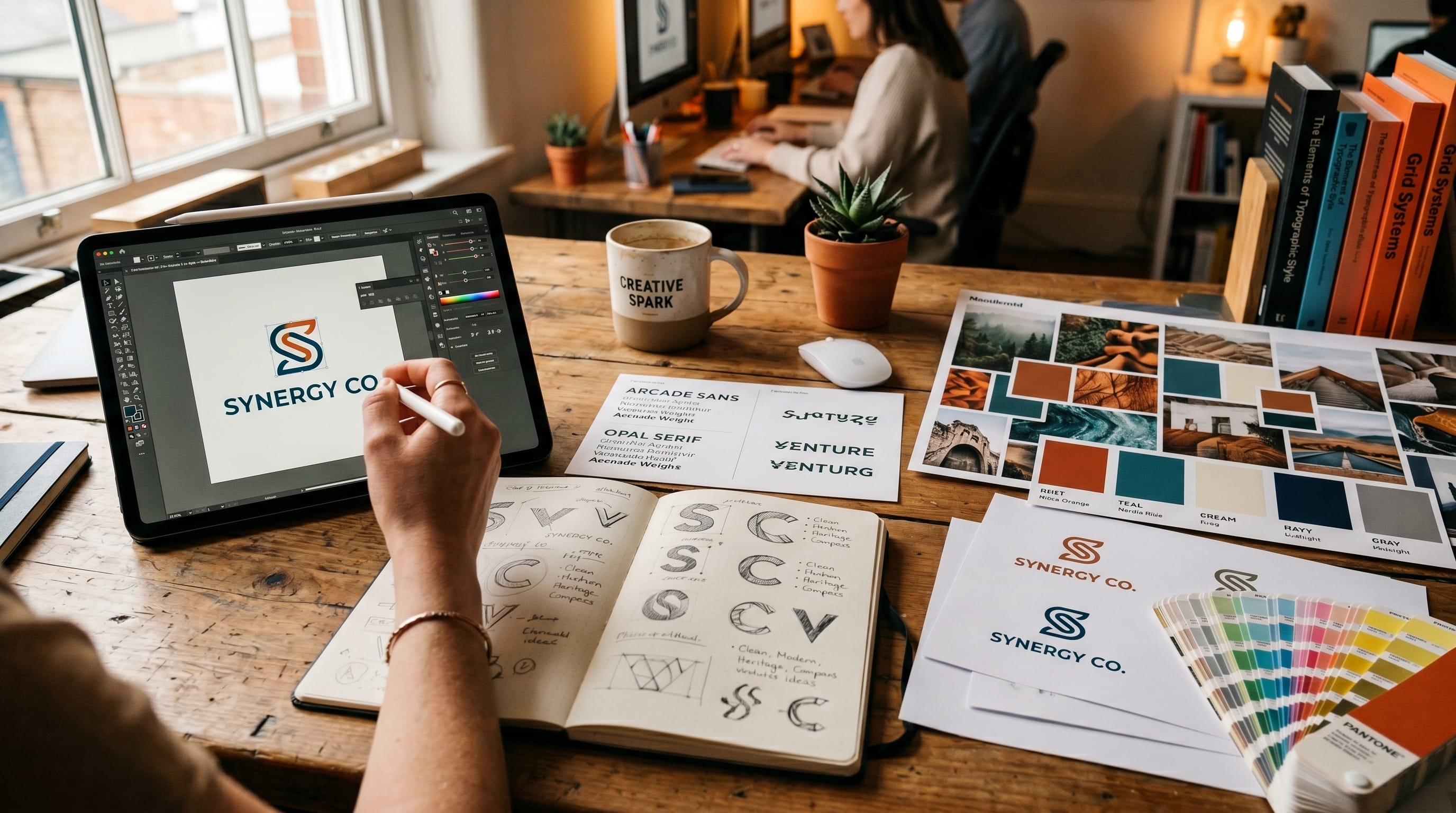
Strong graphic design for branding can completely change how customers see a product. In today’s competitive market, people often judge products within seconds based on packaging, colors, typography, and overall visual presentation. Even high-quality products may struggle if the branding looks outdated or inconsistent. That is why modern businesses invest heavily in visual identity and creative branding systems.
Good graphic design for branding is not only about making products look beautiful. It also helps brands communicate personality, build trust, improve recognition, and create emotional connections with customers. Whether you run a small business, online store, café, fashion brand, or startup, strong branding visuals can make products feel more premium and professional.
In this guide, you will learn how graphic design for branding improves product appearance, customer perception, packaging, marketing materials, and overall business growth. You will also discover modern branding trends, typography ideas, and practical design strategies that help products stand out.
Why Graphic Design for Branding Matters in Modern Business
Visual identity plays a major role in how customers experience a brand. People naturally trust products that appear organized, polished, and visually consistent.
Effective visual identity design helps businesses:
- Build stronger first impressions
- Increase customer trust
- Improve brand recognition
- Create premium product perception
- Support marketing campaigns
- Make products more memorable
Today, branding influences almost every customer decision, especially in crowded online marketplaces and social media platforms.
Product Packaging in Graphic Design for Branding
Packaging is one of the most important parts of branding because it directly affects customer perception.
Packaging Design for Better Branding Identity
Customers often decide whether a product feels premium based on packaging quality.
Strong packaging-focused graphic design for branding may include:
- Clean layouts
- Consistent typography
- Balanced color palettes
- Luxury textures
- Minimalist branding systems
- Modern label designs
Even simple packaging can appear expensive with the right visual presentation.
Graphic Design for Branding Using Modern Packaging Trends
Modern brands now focus on cleaner and more aesthetic packaging styles.
Popular packaging trends include:
- Minimal luxury design
- Earth-tone palettes
- Vintage-inspired labels
- Editorial typography
- Sustainable packaging visuals
- Handwritten branding accents
These design trends help products look more professional and modern.
Typography in Graphic Design for Branding
Typography strongly influences how customers emotionally connect with products.
Font Pairing in Graphic Design for Branding
Good typography improves readability and visual identity.
Popular font combinations include:
- Elegant serif (like Florynthia Monogram) with minimalist sans serif (like ROSA)
- Handwritten script (like Nuptalia) with clean modern fonts (like Honeyquill)
- Bold display fonts (like Bold Squad Font) with thin typography (like Novaline)
- Vintage typography (like Oamphie Vintage) with neutral layouts
Typography-focused graphic design helps products feel unique and recognizable.
Graphic Design for Branding With Luxury Typography Styles
Luxury-inspired typography often creates premium product perception.
Examples include:
- Thin serif typography
- Editorial magazine styles
- Soft script lettering
- Minimal uppercase layouts
These typography choices work especially well for skincare, fashion, jewelry, and café brands.
Color Psychology in Graphic Design for Branding
Colors affect emotions, buying decisions, and customer memory.
Color Systems in Graphic Design for Branding
Strong branding usually relies on consistent color systems.
Popular branding color strategies include:
- Neutral palettes for luxury brands
- Bright colors for playful businesses
- Earth tones for eco-friendly brands
- Black and gold for premium identity
- Soft pastel colors for lifestyle products
Good graphic design for branding uses colors strategically instead of randomly.
Graphic Design for Branding That Builds Emotional Connection
Colors often communicate personality before customers read product descriptions.
For example:
- Blue suggests trust
- Green represents nature
- Red creates excitement
- Beige feels calm and modern
- Black communicates luxury
Emotional branding helps products become more memorable.
Also Read: Graphic Design Color Guide That Makes Learning Easy
Graphic Design for Branding in Social Media Marketing
Social media visuals heavily influence modern brand growth.
Social Media Graphic Design for Branding
Brands now need consistent visuals across platforms like Instagram, TikTok, Pinterest, and Facebook.
Strong social media graphic design for branding includes:
- Consistent templates
- Recognizable typography
- Cohesive color palettes
- Branded photography styles
- Modern post layouts
Consistency improves recognition dramatically.
Graphic Design for Branding With Short-Form Content
Short-form content requires fast visual impact.
Popular visual strategies include:
- Bold typography
- Minimal text overlays
- High-contrast layouts
- Animated branding elements
- Clean promotional graphics
Modern consumers scroll quickly, so visuals must capture attention instantly.
Logo Design in Graphic Design for Branding
Logos remain a core part of brand identity.
Logo Systems in Graphic Design for Branding
Modern branding often includes flexible logo systems instead of one single logo.
Examples include:
- Primary logos
- Secondary logos
- Icon versions
- Social media logos
- Minimal logo marks
Flexible branding improves consistency across platforms.
Graphic Design for Branding Using Minimal Logos
Many successful brands now prefer cleaner and simpler logo styles.
Minimal logos often feel:
- More timeless
- Easier to recognize
- More professional
- More adaptable
Simple branding usually performs better across digital platforms.
Product Photography in Graphic Design for Branding
Photography is another essential branding element.
Product Photography in Graphic Design
High-quality product photos improve trust and professionalism.
Strong branding photography includes:
- Consistent lighting
- Coordinated backgrounds
- Matching color palettes
- Clean editing styles
- Lifestyle product setups
Photography-focused graphic design helps products appear more premium online.
Graphic Design for Branding With Lifestyle Visuals
Lifestyle imagery creates emotional storytelling.
For example:
- Coffee brands showing cozy environments
- Fashion brands showing daily lifestyle moments
- Skincare products displayed naturally
Story-driven visuals make branding feel more authentic.
Graphic Design for Branding in Website Design
Websites often create the first major customer impression.
Website Layouts in Graphic Design
Modern websites usually prioritize:
- Clean navigation
- Minimal design
- Strong typography
- Consistent color systems
- Mobile-friendly layouts
Good web-focused graphic design improves both trust and conversions.
Graphic Design Through Landing Pages
Landing pages help businesses present products more professionally.
Strong landing pages often include:
- Clear product hierarchy
- Large visuals
- Consistent typography
- Branded buttons
- Simple user experience
Good design increases customer confidence.
Also Read: How to Design a Logo in 7 Easy Steps for Beginners
Customer Trust in Graphic Design for Branding
Visual identity directly affects trust.
Consistency in Graphic Design
Inconsistent branding can confuse customers.
Businesses should maintain consistency across:
- Packaging
- Social media
- Websites
- Advertising
- Product photography
Professional consistency makes brands appear more reliable.
Graphic Design That Feels Premium
Premium branding usually focuses on simplicity instead of excessive decoration.
Luxury-inspired design often includes:
- Minimal layouts
- Elegant typography
- Neutral palettes
- Spacious composition
- Editorial photography
Simple design often looks more expensive.
Graphic Design for Branding that Trends in Modern Markets
Branding trends continue evolving every year.
Modern Trends in Graphic Design for Branding
Popular trends include:
- Minimal luxury aesthetics
- Retro-inspired typography
- AI-assisted branding
- Sustainable visual identity
- Soft gradient systems
- Bold typography layouts
- Editorial-inspired branding
Businesses that adapt visually often remain more competitive.
Graphic Design for Branding Using AI Tools
AI tools now help designers create:
- Branding concepts
- Packaging mockups
- Social media visuals
- Typography experiments
- Product presentations
AI speeds up creative workflows while still requiring human creativity.
Common Mistakes in Graphic Design for Branding
Many businesses weaken their branding through avoidable mistakes.
1. Weak Typography Choices
Using too many fonts often creates messy branding.
Strong brands usually use only two or three typography styles consistently.
2. Poor Color Consistency
Random color usage weakens brand recognition.
Businesses should define clear palettes and apply them consistently.
3. Overcomplicated Graphic Design
Too many decorative elements can make products look unprofessional.
Simple branding often creates stronger long-term results.
Future of Graphic Design for Branding
Branding will continue becoming more experience-focused.
Future trends may include:
- Interactive packaging
- AI-generated visual systems
- Personalized branding experiences
- Animated logo identities
- Sustainable packaging design
- Immersive storytelling visuals
Brands that balance creativity with consistency will likely perform best.
Also Read: Free Graphic Design Tools for Beginners Who Want Pro Results
Final Thoughts
Strong graphic design for branding helps products look more professional, memorable, and emotionally engaging. Whether you sell physical products, digital services, or creative experiences, visual identity strongly influences customer trust and buying decisions.
The best graphic design for branding combines typography, colors, packaging, photography, and storytelling into one consistent experience. Businesses do not always need complicated visuals to stand out. Often, clean layouts, strong typography, and consistent branding create the most effective results.
As branding trends continue evolving, companies that invest in thoughtful visual identity systems will continue building stronger recognition and long-term customer loyalty.