
10 Predictions for Graphic Design in the Next 10 Years

There have always been novel advances and trends in graphic design. Thus, no one knows what will happen to graphic design in the next 10 years. However, we can predict what will happen to future graphic design by judging our current circumstances.
To understand more about future graphic design, read the article below!
10 Anticipations of Graphic Design in the Next 10 Years
The future of graphic design sounds scary since it will affect your career or approach to staying competitive in this field. Therefore, let’s look at these predictions for the next 10 years.
1. Advanced Artificial Intelligence (AI)
Let’s start with the most obvious. Nowadays, AI-assisted tools are everywhere, including the graphic design field. Moreover, AI can help streamline the design process, like automating repetitive tasks, adjusting image size and quality, and generating high-quality images.
Despite the controversy, AI aims to simplify our workflow, and the outcome depends on how we utilize it. Thus, AI might become increasingly advanced and integrated into graphic design.
However, AI also comes with drawbacks. Since AI works automatically with certain systems, everything will look similar. Regardless, it can be a great opportunity to show uniqueness and stand out from the mainstream.
Also Read: Graphic Design Tips 2025: How to Stand Out in a Competitive Market
2. Immersive Design Experience
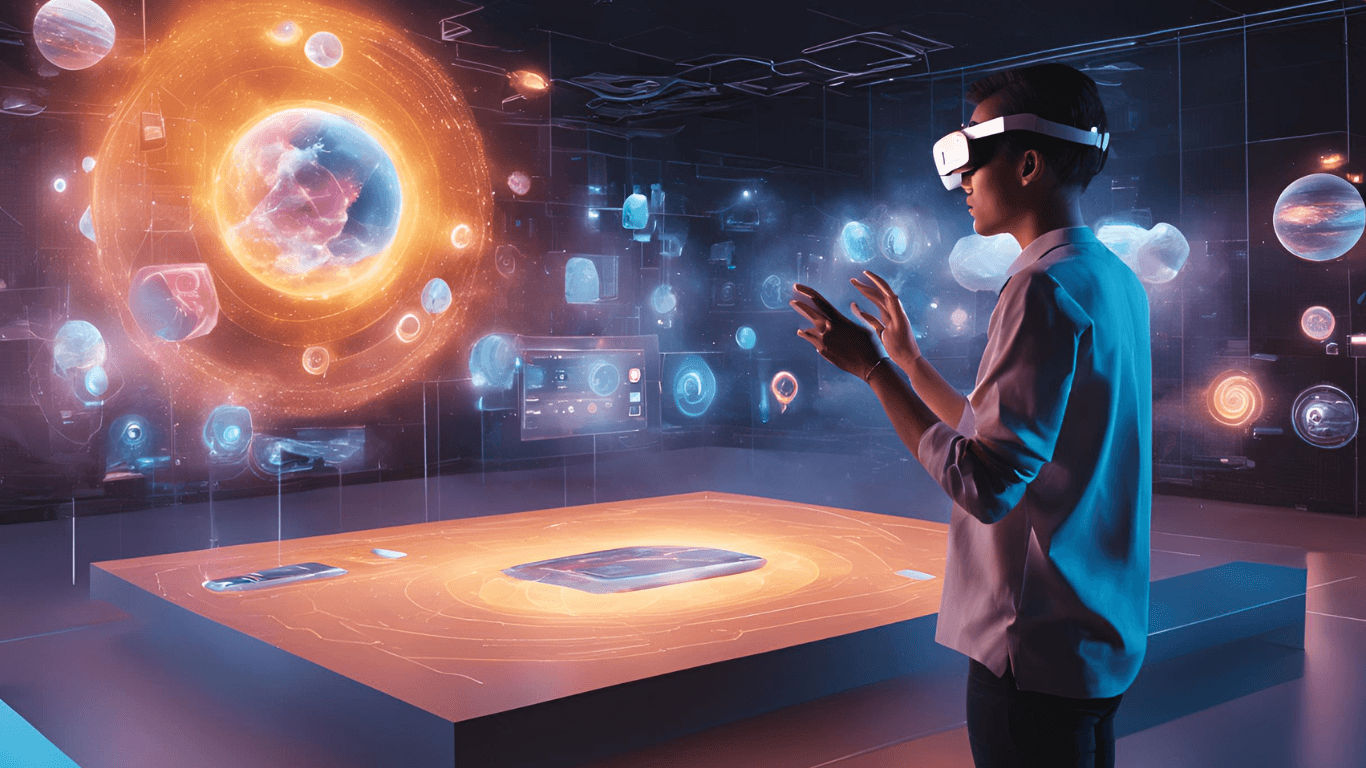
In the next 10 years, graphic designers will be more aware of user experience. Thus, designers will focus on creating immersive experiences, such as 3D experiences, interactive elements, and virtual environments. That’s why graphic design will be more integrated with Augmented reality (AR) and Virtual Reality (VR) in the future.
Additionally, graphic design might be even more responsive across all devices, ensuring the best experience for audiences.
3. Highly Personalized Content
These days, people can personalize the content based on their interests. Personalization is also helpful in understanding their needs and becoming an active community to offer the best solutions.
Thanks to AI, (again), designers can ensure their products are delivered to the right audiences and solve their problems. For that reason, personalization features will be a huge anticipation for graphic design in the next 10 years.
4. Digital Scrapbooking
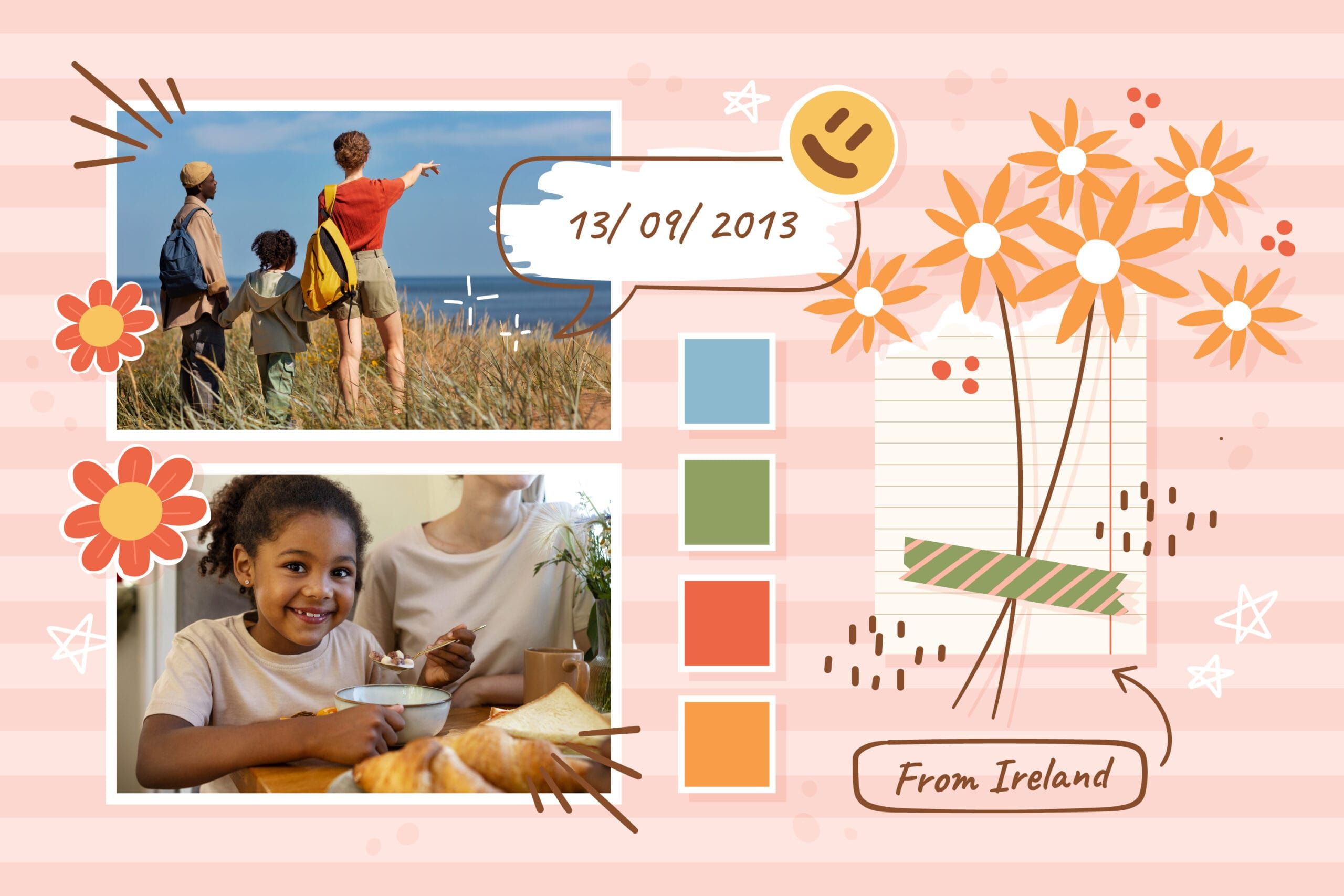
Like physical scrapbooking, digital scrapbooking emphasizes personalization, accessibility, and creativity. Moreover, it evokes a sense of nostalgia and playfulness like using the physical one. Thus, it can ensure engagement between the design and audiences.
As digital tools become more advanced, the designer has more accessibility to gather various graphic textures, patterns, and illustrations, and combining them into a new artwork. As a result, designers can create designs that are more expressive and personalized to audiences.
Also Read: Bad Design vs Good Design Showdown: 5 Major Differences
5. Animation and Motion Picture
Motion pictures or animation have become a vital part of design elements. However, these fields will be more integral in the future graphic design. As video content and interactive experiences become popular, animated pictures are beneficial in attracting more audiences.
6. 3D Printing is Not Dead Yet
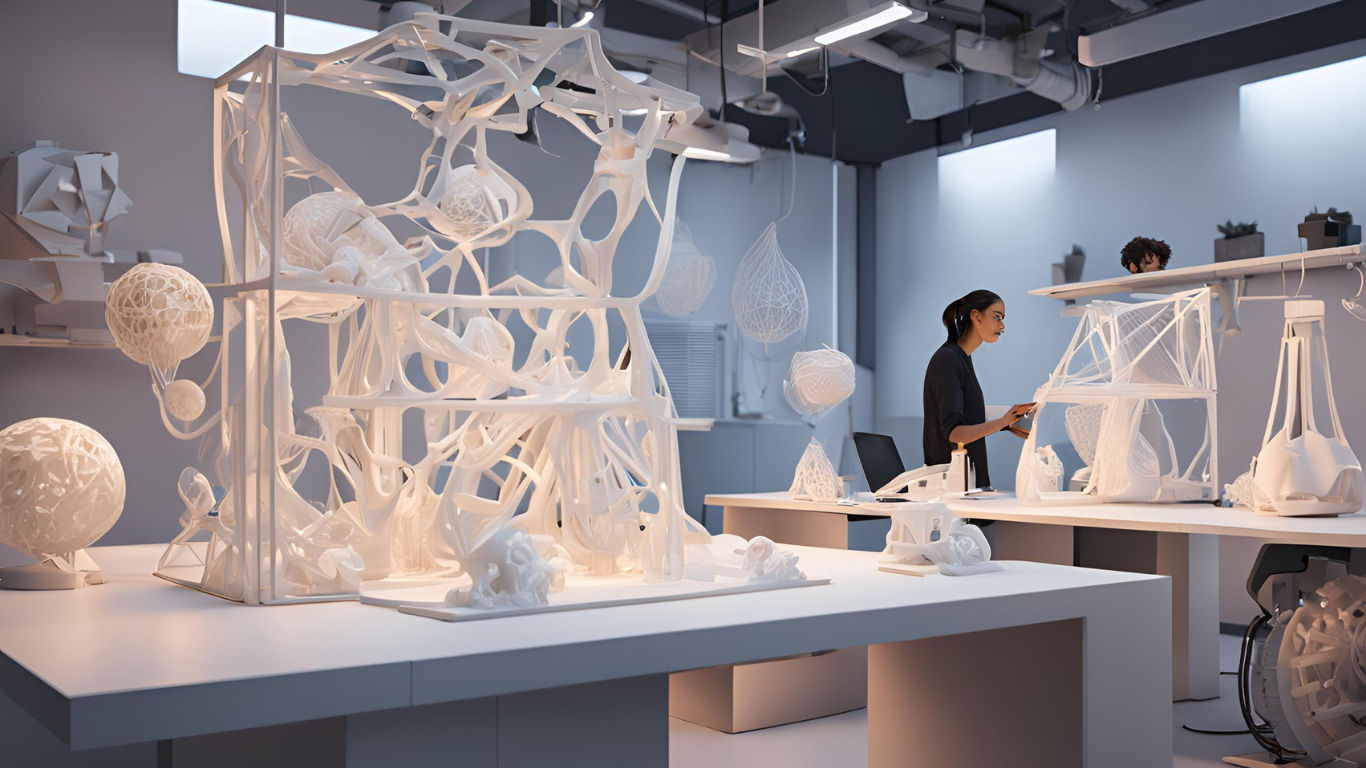
Even though people will most likely prefer digital media, it doesn’t mean printed media will be dead. On the contrary, 3D printing will be more progressive.
Thus, designers can leverage their designs and turn their creations into the real world. That’s why 3D printing holds the potential for innovation in graphic design in the next 10 years.
7. Neumorphism
Neumorphism was favored due to its ability to combine skeuomorphism and flat design. It features soft shadows and subtle gradients that make the object pop up from the background, offering an interactive design. However, this trend sunk due to a lack of accessibility.
As technology advances over the next decade, this design might evolve and discover solutions to its flaws. Perhaps, that will be a second chance for neumorphism to rise again.
Also Read: 5 Best AI for Editing Pictures Like a Pro, Beginner Friendly!
8. Inclusive and Diverse Designs
People are likely to become more aware of multicultural and diversity. Therefore, designers will be expected to create designs that resonate with a broad spectrum of identities, cultures, and perspectives. This issue will push designers to include design elements, like typography or imagery, that are more inclusive.
Regarding this issue, designers are also expected to create an accessible design, regardless of people’s abilities or disabilities, for instance, sufficient color contrast and readable typography.
9. Bolder Typography
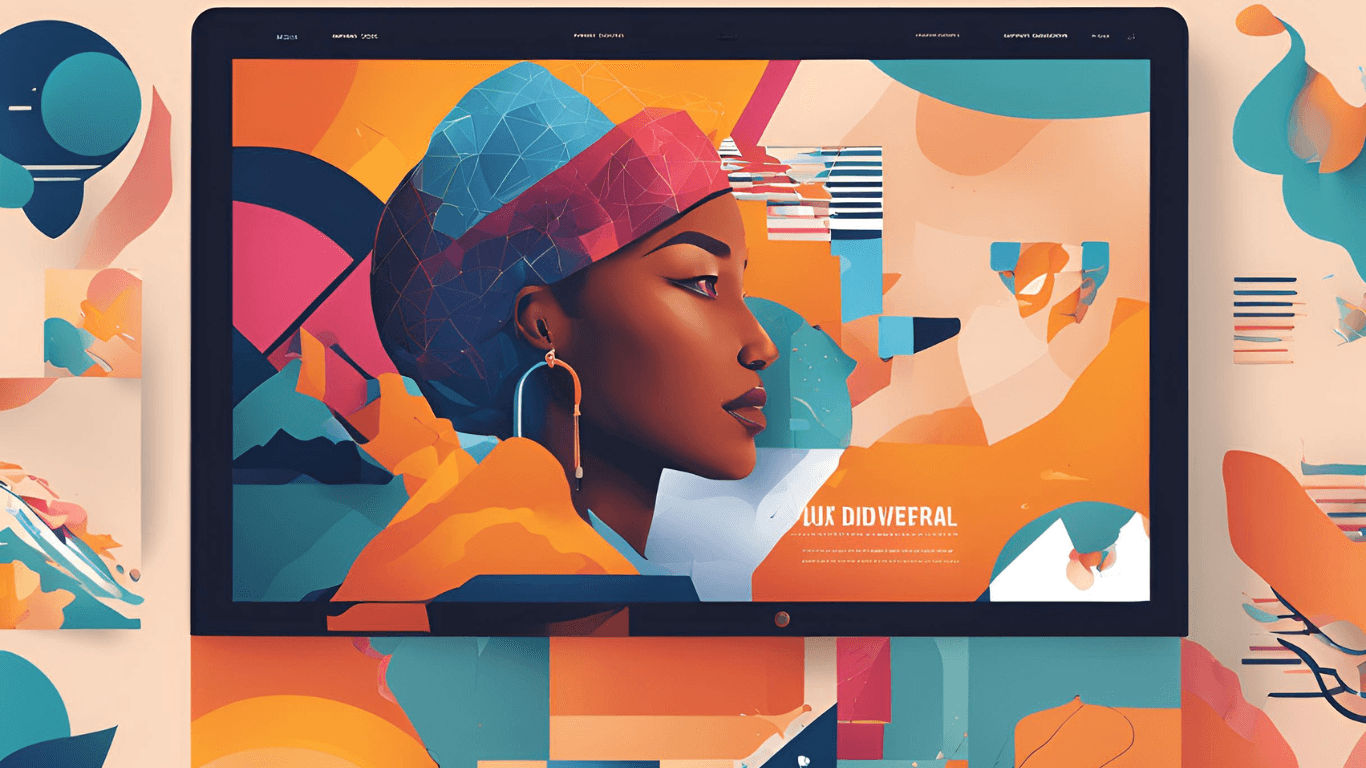
Typography remains a potent tool for conveying messages and supporting the design even in the next decade. As screens become more diverse, the demand for more responsive fonts will increase.
Moreover, the utilization of font might be more expressive and bolder than before. You can expect designers to use striking typefaces or even combine various fonts and styles to stand out in a crowded market.
10. Minimalism
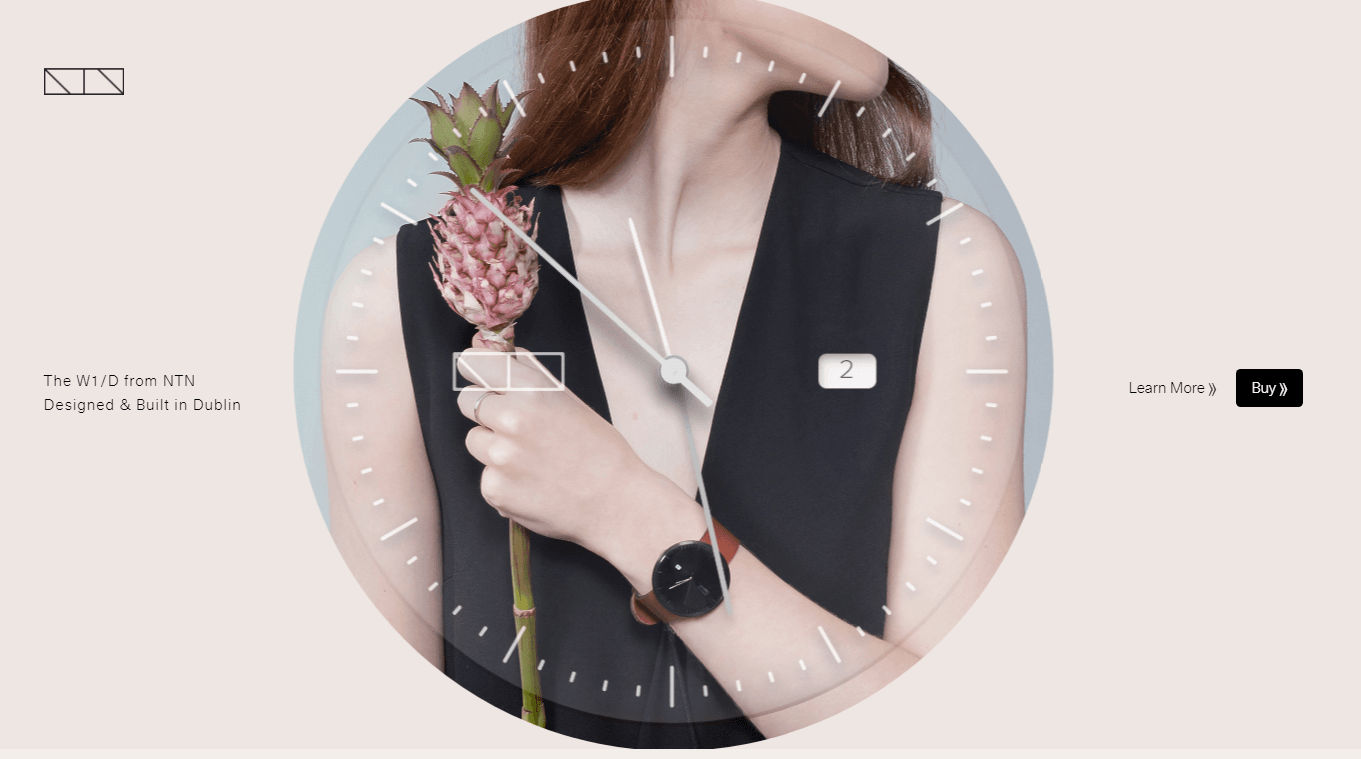
Minimalist design will remain relevant because of its clarity, simplicity, and functionality. As digital space will be more cluttered with so much data and information, minimalism can help to provide clearer and more user-friendly content. Therefore, it can ensure seamless interaction between audiences and the designs.
Additionally, because minimalism produces less waste and utilizes fewer resources, it contributes to promoting sustainable design trends.
Also Read: Top 15 Best Clean Website Designs Inspiration
Prepare for a More Dynamic Design Landscape!
The future of graphic design in the next 10 years might be a terrifying yet exciting journey of innovation. Artificial intelligence has emerged as the major reason for future graphic design transformations. To be competitive in crowded markets, designers need to anticipate this shift and showcase their unique qualities.
Comments are closed.