
Graphic Design Portfolio Tips to Make Your Work Look Pro

A graphic design portfolio doesn’t need dozens of projects to impress. It needs a few strong pieces presented clearly and look great, with enough context to show your thinking. Hiring managers and clients aren’t only judging your taste. They’re judging whether you can solve problems, communicate, and deliver consistent work. That’s why portfolio “polish” matters as much as the designs themselves.
This guide shares practical graphic design portfolio tips you can apply today, whether you’re a student, a junior designer, or a job seeker rebuilding your portfolio from scratch.
1. Graphic Design Portfolio Tips with Choosing Fewer Projects and Make them Stronger
Most portfolios fail because they include everything. Better portfolios are curated.
How many projects should you include?
A strong graphic design portfolio often works best with:
- 5-8 projects total
- 3-5 projects if you’re applying for a specific niche
What to cut
- anything you don’t want to be hired for
- outdated work that doesn’t match your current level
- projects with weak typography or messy spacing
- “random experiments” without a clear purpose
This is the fastest way to make a graphic design portfolio look more professional.
2. Graphic Design Portfolio Tips with Leading with Your Best Work First
People don’t browse portfolios like a museum. They scan fast.
Best order for a graphic design portfolio
- Your strongest, most job-relevant project – Project 1
- Different category (shows range) – Project 2
- Your best typography/layout piece – Project 3
- Then the rest, in descending strength
Don’t “save the best for later.” A graphic design portfolio should hook quickly.
3. Graphic Design Portfolio Tips with Present Each Project Like a Mini Case Study
Even for graphic design, a bit of story makes the work feel real.
Simple case study structure (beginner-friendly)
- Brief: what the project is and who it’s for
- Goal: what the design needed to achieve
- Deliverables: logo, posters, social set, packaging, etc.
- Process: 3-5 steps or key decisions
- Final: clean final visuals + mockups
- Outcome: what improved or what you learned
A case-study format instantly makes a graphic design portfolio feel more pro.
4. Graphic Design Portfolio Tips with Show Process, But Only The Useful Parts
Showing process helps, but too much process makes a project feel unfinished.
Good process to show
- quick moodboard or style direction
- sketches (1-2 images, not 20)
- typography and color exploration
- one “before/after” improvement
- key layout iterations
Process to avoid
- messy screenshots without explanation
- 10 pages of random variations
- low-quality images
The best graphic design portfolio projects show selective process that supports your decisions.
5. Graphic Design Portfolio Tips with Improve Mockups and Presentation Boards
A good design can look weak if it’s presented poorly.
Mockup rules that make work look pro
- use 2-4 mockups per project, not 12
- keep lighting and style consistent
- avoid overly “shiny” fake 3D scenes
- choose mockups that match the brand context
- keep background simple so the design is the focus
For posters: show a clean flat version first, then a real-world mockup.
For logos: show it in one color first, then in context.
This is a high-impact graphic design portfolio upgrade.
Also Read: Canva Portfolio Tutorial to Showcase Your Best Design Work
6. Graphic Design Portfolio Tips with Fix Typography before You Add More Projects
Typography mistakes are the #1 portfolio quality killer.
Quick typography checklist
- 2 fonts max per project
- clear type hierarchy
- comfortable line spacing
- consistent alignment
- strong contrast (readable in one second)
- no tiny body text on busy backgrounds
A clean graphic design portfolio often looks “pro” simply because the type is controlled.
7. Graphic Design Portfolio Tips with Keep Spacing and Alignment Consistent
Hiring managers notice messy spacing even if they don’t say it.
Spacing rules that help
- use a spacing scale (8/16/24/32/48)
- align elements to a grid
- increase margins around key content
- group related items closely, separate unrelated items more
Your graphic design portfolio should feel calm and intentional, not crowded.
8. Graphic Design Portfolio Tips with Show Range, but Keep a Clear Direction
Range is good. Randomness is not.
A strong “range mix”
- 1 branding project (logo + brand kit)
- 1 layout project (poster/editorial)
- 1 social template system
- 1 packaging/label or marketing project
- 1 “wildcard” that shows personality
This structure makes your graphic design portfolio feel versatile but still focused.
9. Graphic Design Portfolio Tips with Write Better Project Captions (Short and Clear)
Your captions should support the work, not compete with it.
Caption template you can copy
- Project: (brand name)
- Type: branding / poster / packaging / social templates
- Goal: (one sentence)
- What I did: (3 bullets)
- Tools: optional
A good caption helps your graphic design portfolio feel professional and easy to review.
10. Graphic Design Portfolio Tips with Optimize for Where You’re Applying
A portfolio for internships is different from a freelance portfolio.
For job seekers
- show process and thinking
- emphasize consistency and system thinking
- include roles: “I designed the brand kit and templates…”
For freelance clients
- show outcomes and deliverables
- make contact and pricing easy
- use testimonials if you have them
The best graphic design portfolio matches the viewer’s needs.
Also Read: AI Portfolio Projects Ideas That Look Great in Portfolios
11. Graphic Design Portfolio Tips with Choosing The Right Format (PDF, Website, Behance)
Each format has a purpose.
Best use cases
- Website: best overall, easy to share
- Behance: great for discovery and long case studies
- PDF: best for emailing directly to recruiters or clients
If you’re applying to jobs, having a clean PDF version of your design portfolio is a strong advantage.
12. Graphic Design Portfolio Tips to Make Your Portfolio Easy to Scan
A recruiter might spend 30-60 seconds first.
Scan-friendly rules
- show final work early
- keep text short
- use clear headings
- avoid tiny images
- don’t hide the work behind long intros
The more scan-friendly your design portfolio the more likely someone will keep scrolling.
Graphic Design Portfolio Common Mistakes
1. Too many similar projects
Fix: keep the best one, cut the rest.
2. Weak presentation thumbnails
Fix: create a clean cover image for each project.
3. Inconsistent style across portfolio
Fix: use one portfolio layout template and repeat it.
4. No contact path
Fix: add a clear “Contact” link and one simple CTA.
Avoiding these mistakes makes your design portfolio look instantly more professional.
Graphic Design Portfolio Checklist
Before publishing, check:
- 5-8 strong projects only
- best project first
- each project has a clear goal and deliverables
- typography and spacing are clean
- mockups support the work (not distract)
- captions are short and helpful
- portfolio is easy to scan on mobile
- contact info is visible and simple
This checklist will keep your design portfolio tight and job-ready.
Also Read: Free Design Tools: Creators’ Guide To The Best
Conclusion
A professional-looking graphic design portfolio is not about having more work. It’s about choosing your best projects, presenting them clearly, and showing enough thinking to prove you can solve problems. If you curate hard, polish typography and spacing, and present each project with a simple case study structure, your portfolio will feel more confident and more hireable.
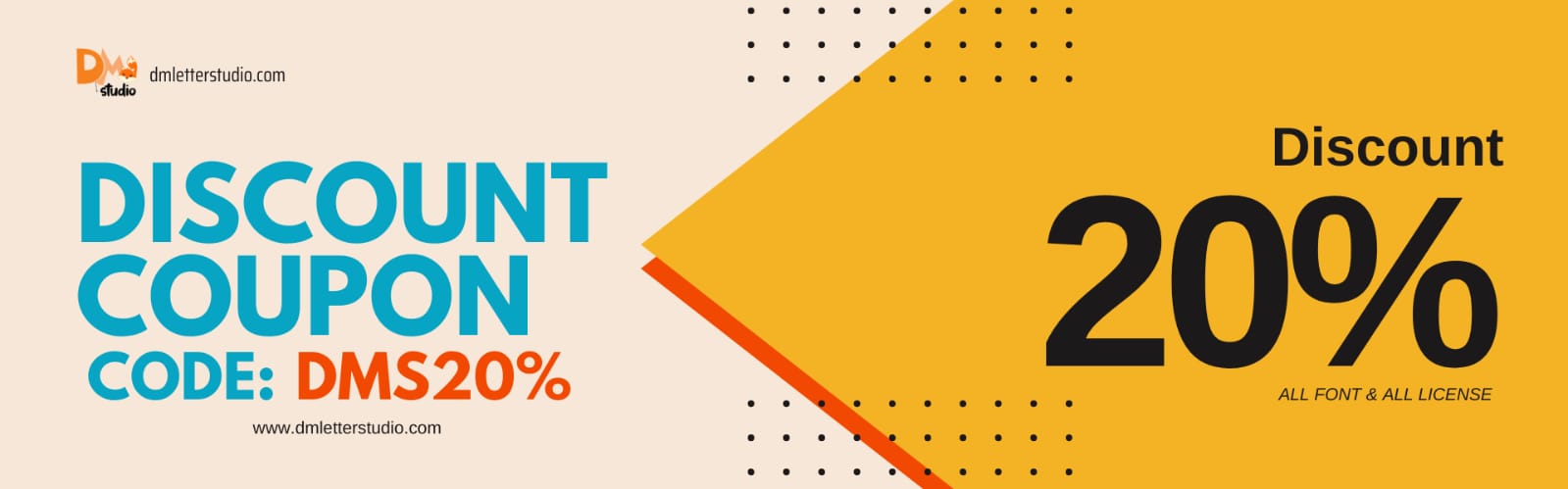
For high-quality fonts to boost your income, check out DM Letter Studio. Our professional fonts are perfect for branding, marketing, and content creation. So, don’t miss this opportunity.