
Smart Technology Ideas for a More Sustainable Future
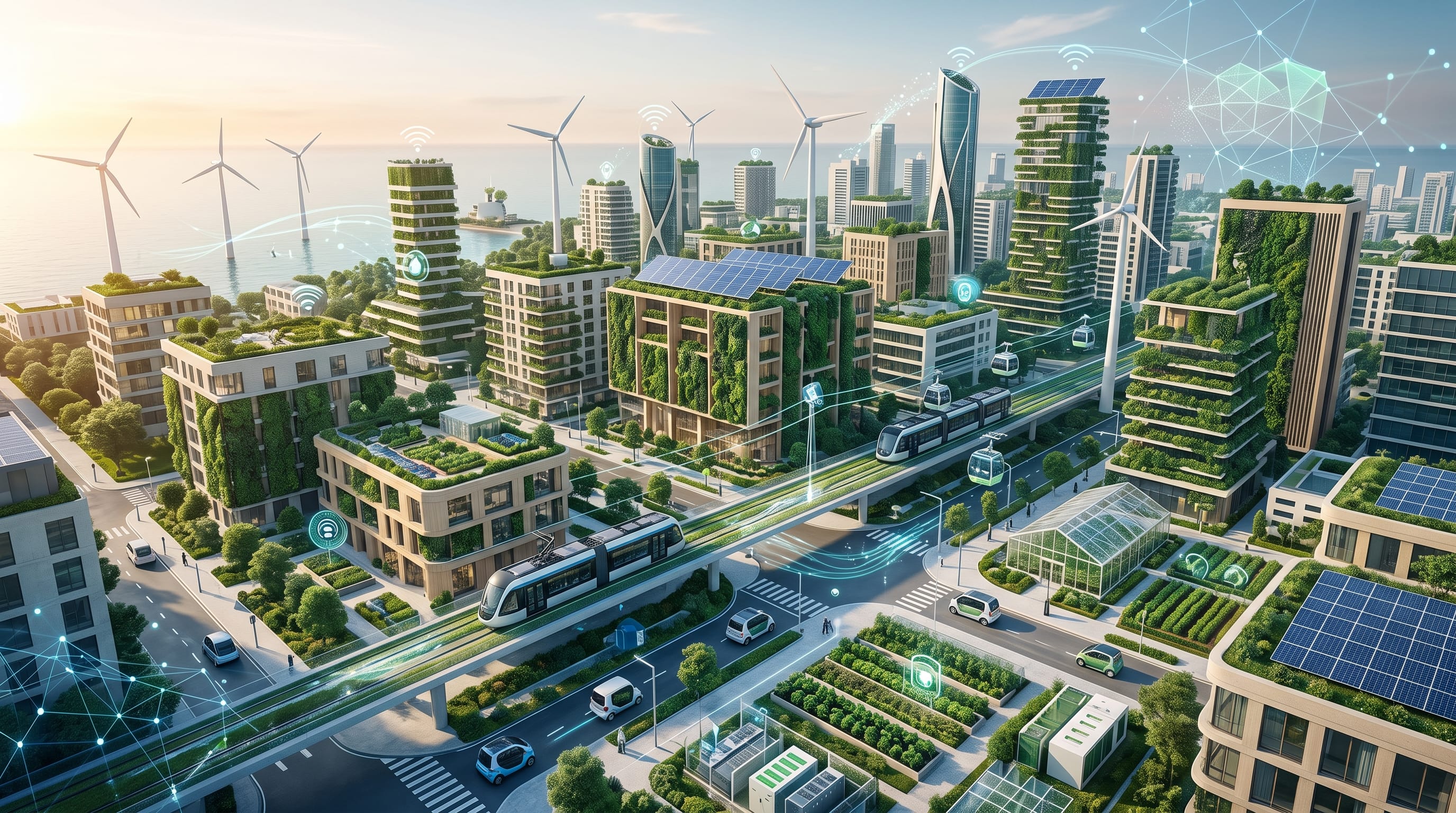
Smart technology ideas can help communities use energy, water, transportation, food, and natural resources more efficiently. As cities grow and environmental challenges become more complex, technology can provide practical tools for measuring consumption, reducing waste, improving public services, and supporting better decisions.
Sustainable innovation is not only about developing futuristic machines. It can also involve improving existing systems through sensors, automation, data analysis, renewable energy, and connected infrastructure. A smart irrigation controller that prevents unnecessary watering may have a more immediate environmental benefit than an expensive concept that cannot be widely adopted.
The strongest technologies solve real problems without creating unnecessary complexity. They should be affordable, secure, accessible, energy-efficient, and appropriate for the communities expected to use them.
This guide explores practical smart technology ideas for students, creators, entrepreneurs, city planners, and innovators interested in building a cleaner and more resource-efficient future.
Why Smart Technology Ideas Matter for Sustainability
Sustainability requires more than asking people to consume less. Governments, companies, and communities also need systems that make responsible choices easier.
Smart technologies can collect information about:
- Energy consumption
- Water usage
- Air quality
- Traffic patterns
- Waste production
- Soil conditions
- Building performance
- Product lifecycles
- Public transportation
- Environmental changes
This information can help people identify waste and respond before problems become more expensive.
For example, a connected water meter may detect an unusual increase in usage and warn a homeowner about a possible leak. A smart traffic system may adjust signals to reduce unnecessary vehicle idling. Agricultural sensors can help farmers apply water only where it is needed.
The best smart technology ideas connect accurate information with useful action.
1. Smart Renewable Energy Grids
Traditional electricity systems were designed mainly around large power stations. Renewable energy creates a different challenge because solar and wind generation can change according to weather and time of day.
A smart energy grid can balance electricity supply and demand more efficiently.
It may use:
- Digital meters
- Energy storage
- Automated distribution
- Demand forecasting
- Renewable energy data
- Real-time monitoring
- Local microgrids
- Smart pricing systems
During periods of strong solar production, the system could store excess electricity or redirect it toward buildings with higher demand. When generation falls, stored energy could help maintain a stable supply.
Smart grids may also help communities develop local renewable-energy networks instead of depending entirely on distant power sources.
2. Intelligent Energy Storage
Batteries and other storage systems are essential for expanding renewable energy.
One of the most useful smart technology ideas is an intelligent storage platform that decides when to store, use, or share electricity.
The system could analyze:
- Weather forecasts
- Current electricity prices
- Household demand
- Solar generation
- Battery condition
- Local grid demand
A home battery might charge during periods of strong solar generation and provide electricity during evening demand. A commercial building could reduce pressure on the grid by using stored power during peak hours.
Smart storage management can improve battery performance while helping renewable energy become more reliable.
3. Energy-Efficient Smart Homes
Smart homes can reduce environmental impact when technology focuses on efficiency instead of convenience alone.
Useful devices include:
- Smart thermostats
- Occupancy sensors
- Automated lighting
- Energy-monitoring plugs
- Connected blinds
- Efficient ventilation controls
- Water-leak detectors
- Appliance scheduling systems
A smart thermostat can reduce heating or cooling when no one is home. Automated blinds may reduce indoor heat during sunny periods. Occupancy sensors can turn off lights in unused rooms.
These smart technology ideas work best when residents can understand and control the system easily. Complicated automation may be ignored or disabled.
4. Building Energy Management Systems
Commercial buildings, schools, hospitals, and offices consume large amounts of energy.
A smart building system can monitor:
- Heating
- Cooling
- Lighting
- Ventilation
- Elevators
- Equipment
- Indoor air quality
- Occupancy
The platform can adjust operations based on real usage rather than fixed schedules.
For example, an office may not need full cooling and lighting during weekends. A classroom ventilation system could respond to occupancy and air-quality measurements.
Building managers can also use performance dashboards to identify equipment that is consuming more electricity than expected.
5. Smart Street Lighting
Streetlights are necessary for safety, but they do not always need to operate at maximum brightness throughout the night.
Smart street lighting may include:
- Motion detection
- Adaptive brightness
- Remote maintenance alerts
- Solar panels
- Weather monitoring
- Traffic-based controls
Lights could remain at a lower level during quiet periods and become brighter when pedestrians, cyclists, or vehicles approach.
Connected lighting systems can also report failures automatically, reducing maintenance delays.
This is one of the most practical smart technology ideas for communities because it can improve public infrastructure while reducing unnecessary electricity use.
6. Intelligent Public Transportation
More people may choose public transportation when it becomes reliable, comfortable, and easy to understand.
Smart transportation systems can provide:
- Real-time arrival information
- Route optimization
- Integrated payment
- Passenger demand analysis
- Accessibility information
- Vehicle maintenance alerts
- Traffic coordination
Data can help transportation operators add vehicles where demand is high and reduce empty trips on less active routes.
Mobile applications can show passengers the most efficient combination of buses, trains, walking, cycling, or shared transportation.
Better information can reduce waiting times and make public transit a more practical alternative to private cars.
7. Smart Traffic Management
Traffic congestion wastes fuel, increases travel time, and contributes to air pollution.
Smart traffic management can use sensors and cameras to measure vehicle flow and adjust signals dynamically.
Possible features include:
- Adaptive traffic lights
- Congestion detection
- Emergency vehicle priority
- Public transport priority
- Parking availability
- Road-incident alerts
- Pedestrian monitoring
Instead of using the same signal timing throughout the day, intersections could respond to real traffic conditions.
However, these systems need responsible data policies. Public infrastructure should improve mobility without creating unnecessary surveillance.
8. Connected Cycling Infrastructure
Cycling can support cleaner urban transportation, but many people avoid it when routes feel unsafe or disconnected.
Smart cycling infrastructure may include:
- Bicycle-counting sensors
- Connected traffic lights
- Digital route planning
- Secure smart parking
- Hazard reporting
- Adaptive street lighting
- Air-quality route suggestions
A city could use cycling data to identify where new lanes, crossings, or parking facilities are needed.
Navigation tools might recommend quieter or less polluted routes instead of showing only the shortest path.
These smart technology ideas can make active transportation safer and more appealing.
9. Electric Vehicle Charging Networks
Electric vehicles need reliable charging infrastructure to become practical for more people.
A smart charging network could help users find:
- Available stations
- Charging speed
- Current price
- Renewable-energy availability
- Estimated waiting time
- Compatible connectors
Charging systems could schedule vehicles during periods of lower grid demand or stronger renewable generation.
Apartment buildings and workplaces may also use shared charging management so multiple vehicles can charge without exceeding the building’s electrical capacity.
The goal should be to expand cleaner transportation while protecting grid stability.
10. Smart Water Meters
Water shortages and infrastructure leaks affect many communities. Smart meters can help households, businesses, and utilities understand consumption more accurately.
A connected meter may provide:
- Daily usage reports
- Leak alerts
- Unusual consumption warnings
- Cost estimates
- Conservation recommendations
- Neighborhood demand analysis
Customers could receive a notification when water use suddenly rises, allowing them to investigate a leaking pipe or malfunctioning appliance.
Utilities may use aggregated data to identify damaged infrastructure and prioritize repairs.
Smart water management should protect customer privacy while providing useful conservation information.
11. Intelligent Irrigation Systems
Traditional irrigation schedules may apply water even after rain or when soil already contains enough moisture.
Smart irrigation can use:
- Soil-moisture sensors
- Weather forecasts
- Plant type
- Temperature
- Sunlight
- Local water restrictions
The system delivers water only when it is needed.
This technology can support:
- Farms
- Public parks
- Sports fields
- Residential gardens
- School grounds
- Commercial landscaping
Among all smart technology ideas, intelligent irrigation can be especially valuable in areas experiencing water stress.
12. Rainwater Collection Monitoring
Rainwater harvesting systems collect water for gardening, cleaning, sanitation, or other appropriate uses.
Smart monitoring could measure:
- Tank level
- Rainfall
- Water quality
- Filter condition
- Pump performance
- Estimated demand
The system may warn users when maintenance is needed or recommend using stored water before expected rainfall creates overflow.
Schools and community buildings could use dashboards to teach students about local rainfall and water conservation.
Also Read: Robotics Technology: The Future of Intelligent Automation
13. Smart Farming Sensors
Agriculture depends on soil quality, weather, water, and plant health.
Smart farming systems may monitor:
- Soil moisture
- Nutrient levels
- Temperature
- Humidity
- Crop growth
- Pest activity
- Weather conditions
Farmers can use this information to apply water, fertilizer, or pest control more precisely.
Precision agriculture may reduce waste and improve productivity, but systems should remain affordable and understandable for smaller farms.
Open platforms and low-cost sensors could help make these smart technology ideas available beyond large agricultural companies.
14. Drone-Assisted Crop Monitoring
Drones can collect images of large agricultural areas more quickly than manual inspection.
They may help identify:
- Water stress
- Disease
- Pest damage
- Poor growth
- Irrigation problems
- Storm damage
Farmers can then inspect specific areas instead of treating the entire field.
Drone systems should support human judgment rather than replacing local agricultural knowledge. Responsible use also requires attention to safety, privacy, airspace rules, and maintenance costs.
15. Vertical Farming Automation
Vertical farms grow crops in controlled indoor environments, often using stacked growing systems.
Smart automation can manage:
- Lighting
- Water
- Nutrients
- Temperature
- Humidity
- Air circulation
- Crop scheduling
These farms may reduce transportation distance when located close to cities.
However, indoor agriculture can require significant electricity. The strongest models combine efficient lighting, renewable energy, water recycling, and crops suited to controlled environments.
Vertical farming is not a replacement for all traditional agriculture, but it may support specific urban food needs.
16. Food Waste Monitoring
Restaurants, supermarkets, hotels, and cafeterias frequently discard food because demand is difficult to predict.
Smart food-waste systems can:
- Weigh discarded food
- Identify common waste categories
- Track preparation patterns
- Compare waste by day
- Forecast demand
- Recommend purchasing changes
A restaurant may discover that one menu item creates unusually high waste. A school cafeteria could adjust portion sizes based on actual consumption.
Reducing food waste saves money and lowers the environmental impact associated with production, transportation, refrigeration, and disposal.
17. Intelligent Composting Systems
Organic waste can be converted into useful compost when properly managed.
A smart composting system may monitor:
- Temperature
- Moisture
- Oxygen
- Fill level
- Material balance
- Processing time
Sensors can alert users when compost needs more dry material, moisture, or aeration.
Small automated composters could support apartments, restaurants, schools, and offices where traditional composting is difficult.
Community dashboards might show how much waste has been diverted from disposal.
18. AI-Assisted Recycling Sorting
Recycling facilities process many different materials, and contamination can reduce efficiency.
Computer vision and robotic sorting systems may help identify:
- Plastic types
- Metals
- Paper
- Glass
- Cardboard
- Contaminated items
Automated sorting can support workers by handling repetitive identification tasks.
However, technology cannot solve every recycling problem. Products still need simpler materials, clear labels, and packaging designed for recovery.
The strongest smart technology ideas address both waste processing and the way products are originally designed.
19. Smart Recycling Bins
Public recycling bins often become contaminated when users are unsure where an item belongs.
A smart bin could use:
- Image recognition
- Weight sensors
- Fill-level monitoring
- Simple visual instructions
- Contamination alerts
- Collection-route planning
The bin might guide the user toward the correct compartment or reject unsuitable items.
Fill-level data can also help waste services avoid unnecessary collection trips while preventing overflowing bins.
20. Digital Product Passports
A digital product passport stores important information about a product and its materials.
Customers or recyclers might access it through a QR code or another digital identifier.
Information could include:
- Material composition
- Manufacturing origin
- Repair instructions
- Replacement parts
- Warranty
- Recycling guidance
- Ownership history
- Environmental information
This could make products easier to repair, resell, reuse, and recycle.
Digital passports are promising smart technology ideas for electronics, furniture, clothing, batteries, and other products with complex supply chains.
21. Repair and Maintenance Platforms
Many products are discarded because repair information or replacement parts are difficult to find.
A digital repair platform could provide:
- Troubleshooting guides
- Parts identification
- Repair videos
- Local technician directories
- Product manuals
- Maintenance reminders
- Repairability scores
Connected devices could report a specific failing component instead of showing a general error.
This supports a more circular economy by helping products remain useful for longer.
22. Shared-Product Platforms
People do not always need to own equipment they use only occasionally.
Smart sharing platforms can connect communities with:
- Tools
- Gardening equipment
- Sports gear
- Camping supplies
- Cameras
- Party equipment
- Vehicles
The platform may manage reservations, deposits, maintenance records, and collection times.
Libraries, apartment communities, schools, and local businesses could use these systems to reduce unnecessary purchasing.
23. Smart Air-Quality Monitoring
Air pollution can vary significantly between neighborhoods and times of day.
Low-cost connected sensors can help measure:
- Particulate matter
- Carbon dioxide
- Temperature
- Humidity
- Selected pollutants
Schools may use indoor air-quality monitoring to improve ventilation. Cities could identify pollution near busy roads or industrial areas.
Public dashboards can help residents understand local conditions, but sensor accuracy and calibration must be managed carefully.
24. Urban Heat Monitoring
Cities can become significantly warmer than surrounding areas because roads, roofs, and buildings absorb heat.
Smart heat-monitoring networks may combine:
- Temperature sensors
- Satellite information
- Tree-cover data
- Building materials
- Traffic patterns
- Community reports
Cities can use this information to prioritize:
- Tree planting
- Shaded walkways
- Cooling centers
- Reflective roofs
- Green spaces
- Heat-resistant infrastructure
These smart technology ideas can help protect vulnerable communities during periods of extreme heat.
25. Smart Forest Monitoring
Forests are important for biodiversity, water systems, local livelihoods, and climate stability.
Connected monitoring may help detect:
- Fire risk
- Illegal logging
- Smoke
- Soil moisture
- Wildlife movement
- Tree health
- Temperature changes
Remote sensors can provide early warnings when conditions become dangerous.
Technology should support conservation teams and local communities rather than replacing their knowledge or control over natural resources.
Also Read: Digital Technology Trends You Need to Know Right Now
26. Wildlife Tracking Systems
Responsible tracking can help researchers understand migration, habitat use, and population health.
Systems may use:
- GPS tags
- Camera traps
- Acoustic sensors
- Satellite imagery
- Environmental sensors
This information can guide habitat protection and reduce conflicts between wildlife and human activities.
Tracking should follow ethical standards and minimize disturbance to animals.
27. Ocean and River Monitoring
Water ecosystems face pollution, temperature change, overuse, and habitat damage.
Smart monitoring equipment may measure:
- Water temperature
- Oxygen levels
- Chemical conditions
- Plastic pollution
- Algae growth
- Flow rate
- Flood risk
Floating sensors and autonomous devices can collect information from areas that are difficult to inspect regularly.
Community groups could also use simplified testing tools to report local water conditions.
28. Flood Prediction and Warning Systems
Floods can develop quickly, especially in urban areas with limited drainage.
Smart warning systems may combine:
- Rainfall data
- River levels
- Drainage sensors
- Soil moisture
- Weather forecasts
- Historical flood patterns
Alerts can be sent to residents, emergency teams, transportation systems, and schools.
Early warnings can help people protect property, avoid dangerous roads, and reach safer areas.
The technology must use clear communication and remain accessible to people without advanced smartphones.
29. Smart Disaster-Response Networks
Disasters can damage normal communication and transportation infrastructure.
Resilient response networks may use:
- Solar-powered communication
- Portable sensors
- Emergency mapping
- Drones
- Satellite connections
- Community reporting
- Offline applications
The system could identify damaged roads, medical needs, power failures, and safe evacuation routes.
Local communities should participate in designing these tools because they understand regional risks and practical communication needs.
30. Low-Energy Data Centers
Digital services depend on data centers that require electricity and cooling.
Sustainable data-center innovation may include:
- Energy-efficient computing
- Renewable electricity
- Heat recovery
- Smart cooling
- Workload scheduling
- Efficient hardware
- Water-use monitoring
Some computing tasks could be scheduled during periods when renewable energy is more available.
Waste heat might support nearby buildings or industrial processes where technically appropriate.
Digital growth should include attention to the physical energy and resources required to operate online services.
31. Carbon-Aware Software
Software applications usually focus on speed and convenience, but they can also consider energy conditions.
Carbon-aware software may schedule flexible tasks when cleaner electricity is more available.
Possible tasks include:
- Data processing
- Backups
- Large downloads
- Artificial intelligence training
- Video rendering
- Battery charging
Users should retain control, especially when timing affects safety or important work.
This is one of the less visible smart technology ideas, but it could improve the efficiency of digital infrastructure.
32. Smart School Campuses
Schools can become practical demonstration sites for sustainability technology.
A smart school may include:
- Solar-energy monitoring
- Water-use dashboards
- Smart lighting
- Air-quality sensors
- Food-waste tracking
- Recycling stations
- School gardens
- Energy-efficient classrooms
Students can use real campus data in science, mathematics, design, and technology projects.
This transforms sustainability from an abstract lesson into something students can observe and improve.
33. Sustainable Technology Learning Platforms
Students and creators need accessible ways to understand environmental problems and test possible solutions.
A learning platform could include:
- Interactive climate simulations
- Energy calculators
- Sustainable design challenges
- Local environmental data
- Project templates
- Virtual laboratories
- Community problem boards
Students might design a water-saving system for their school or analyze energy use in a neighborhood.
Educational smart technology ideas should encourage experimentation, critical thinking, and responsible design rather than presenting technology as the solution to every environmental problem.
34. Community Sustainability Dashboards
Local environmental information is often spread across many departments and websites.
A community dashboard could combine:
- Energy use
- Water consumption
- Public transportation
- Air quality
- Waste recovery
- Tree planting
- Renewable generation
- Local sustainability projects
Residents could follow progress and understand where improvements are still needed.
The dashboard should use clear language and accessible visualizations rather than overwhelming people with technical data.
35. Smart Tools for Sustainable Small Businesses
Small businesses can also benefit from sustainability technology.
Useful tools may track:
- Electricity consumption
- Packaging use
- Delivery routes
- Food waste
- Inventory
- Water use
- Product returns
- Equipment efficiency
A small restaurant could use demand forecasting to reduce excess ingredients. An ecommerce company might select smaller packaging based on product dimensions. A workshop could receive maintenance reminders before equipment becomes inefficient.
Affordable tools can help sustainability become part of everyday business management.
How Students Can Develop Smart Technology Ideas
Students do not need advanced laboratories to begin exploring sustainable innovation.
Start with a problem in your school, home, or community.
Examples include:
- Lights remaining on in empty rooms
- Water leaking from taps
- Recycling bins becoming contaminated
- Food being discarded
- Unsafe cycling routes
- Poor indoor air quality
- Unnecessary packaging
Then ask:
- What information would help explain the problem?
- Can a simple sensor collect that information?
- Who needs to receive an alert?
- What action should happen afterward?
- How will privacy and security be protected?
- Can the idea work without expensive equipment?
A basic prototype might use a low-cost sensor, spreadsheet, simple mobile interface, or visual dashboard.
The purpose is to test whether the smart technology ideas actually improve the situation.
How Creators Can Communicate Sustainable Innovation
Creators can make environmental technology easier for the public to understand.
Useful content formats include:
- Animated explainers
- Infographics
- Product visualizations
- Short videos
- Interactive websites
- Educational posters
- Case-study articles
- Social media carousels
Avoid presenting every technology as a perfect solution.
Explain:
- What problem it addresses
- How it works
- Who benefits
- What it costs
- What limitations exist
- What data it collects
- What infrastructure it requires
Clear communication helps audiences evaluate innovation realistically.
Principles for Responsible Smart Technology Ideas
Technology should be judged by more than novelty.
1. Solve a Real Problem
Begin with a clearly defined environmental or community need.
2. Use as Little Energy as Possible
A sustainability device should not consume more resources than the problem justifies.
3. Protect Privacy
Collect only the information necessary for the service.
4. Design for Repair
Devices should be repairable, upgradeable, and supported with replacement parts.
5. Keep Systems Accessible
Consider cost, language, disability access, internet availability, and technical skill.
6. Measure the Result
Track whether the technology actually reduces waste, energy, pollution, or cost.
7. Plan for Disposal
Electronic devices eventually become waste. Design for reuse, recycling, or responsible recovery.
Common Problems With Sustainable Technology
1. Technology Without a Clear Need
Adding sensors to every object does not automatically create sustainability.
2. Expensive Systems That Exclude Communities
An idea may be impressive but have limited value if only wealthy organizations can afford it.
3. Excessive Data Collection
Environmental goals should not be used to justify unnecessary surveillance.
4. Ignoring Electronic Waste
Connected devices require materials, batteries, maintenance, and eventual disposal.
5. Depending on Constant Internet Access
Some communities need systems that can work offline or through simpler networks.
6. Measuring Without Acting
Collecting data is only useful when it leads to a practical response.
7. Claiming Sustainability Without Evidence
Environmental benefits should be measured and explained clearly.
Also Read: Ecommerce Technology Trends Every Small Business Should Know
Final Thoughts on Smart Technology Ideas
The strongest smart technology ideas help people use resources more efficiently, understand environmental conditions, and respond to problems earlier. Renewable-energy grids, intelligent buildings, water sensors, smart farming, recycling systems, public transportation, and environmental monitoring can all support a more sustainable future.
Technology alone will not solve every environmental challenge. Policies, education, responsible consumption, community participation, and better product design remain essential.
Students can begin by identifying small local problems and building simple prototypes. Creators can make complex innovations easier to understand through visual storytelling and educational content. Entrepreneurs can develop affordable tools that help homes, schools, cities, and businesses reduce waste.
The most valuable smart technology ideas are not always the most complicated. They are the solutions that work reliably, respect users, conserve resources, and create measurable benefits.
A sustainable future will depend on thoughtful innovation that combines technology with responsibility. By focusing on real needs and long-term impact, future creators can build systems that support both people and the environment.

For high-quality fonts to boost your income, check out DM Letter Studio. Our professional fonts are perfect for branding, marketing, and content creation. So, don’t miss this opportunity.