
Local Business Branding Tips for Better Recognition and Trust
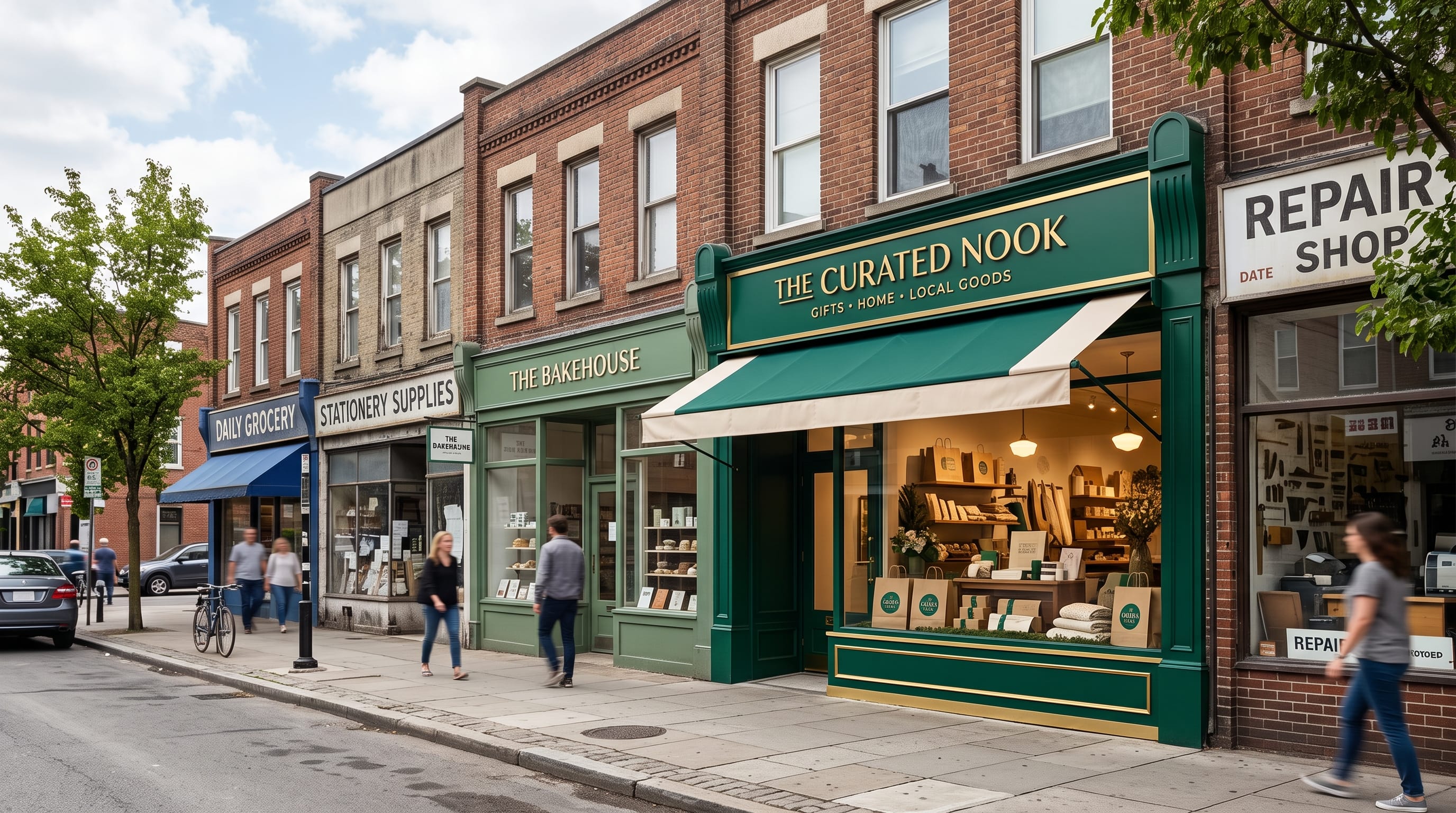
Local business branding helps small businesses become easier to recognize, remember, and trust within their communities. A strong local brand is more than a logo on a storefront. It includes the way a business communicates, how customers experience the service, what people see online, the consistency of visual materials, and the reputation the company builds over time.
For local businesses, trust is especially important.
Customers may choose between several nearby cafes, salons, repair services, restaurants, shops, or professional providers. When products and prices are similar, branding can influence which company feels more professional, reliable, and relevant.
Fortunately, building a recognizable local brand does not require a huge marketing budget.
Small businesses can make significant improvements by creating a clear identity, maintaining consistent messaging, improving customer experience, collecting authentic reviews, and strengthening their presence in the local community.
This guide explains practical local business branding strategies that can help improve recognition, trust, and long-term customer loyalty.
Start Local Business Branding With a Clear Identity
Before designing signs or social posts, define what your business should represent.
Ask:
- What do we offer?
- Who do we serve?
- What makes us different?
- Why should local customers choose us?
- How should people describe us?
For example, a bakery might want to be known for:
Fresh handmade bread using traditional recipes.
A salon might focus on:
Friendly, modern hair services for busy local professionals.
A repair company could emphasize:
Fast, straightforward home repairs with transparent pricing.
Clear positioning gives your local business branding a foundation.
Without it, marketing can feel inconsistent.
Understand Your Local Customer
Local branding should reflect the people you actually serve.
Think about:
- Age groups
- Location
- Lifestyle
- Budget
- Customer priorities
- Common problems
- Buying habits
A coffee shop near a university may need a different identity from one located in a luxury shopping district.
Likewise, a family-focused dental practice will communicate differently from a premium cosmetic clinic.
Avoid trying to appeal to everyone.
A specific audience helps you make better choices about:
- Visual design
- Tone of voice
- Offers
- Content
- Customer experience
Research Local Competitors
Look at other businesses serving the same market.
Review:
- Logos
- Colors
- Websites
- Signage
- Reviews
- Social accounts
- Pricing
- Messaging
Do not copy them.
Instead, look for ways to create meaningful distinction.
Perhaps every local cafe uses dark rustic branding. A clean, bright identity might feel more distinctive.
Maybe nearby repair businesses communicate mainly around low prices. Your brand could emphasize reliability and transparent service.
Competitive research helps local business branding feel intentional rather than generic.
Create a Memorable Logo
Your logo should be recognizable across different sizes.
It may appear on:
- Storefront signs
- Business cards
- Website headers
- Social profiles
- Uniforms
- Packaging
- Vehicles
- Receipts
Avoid adding too many small details that disappear when the logo is reduced.
A good local business logo usually needs:
- Clear shape
- Readable typography
- Relevant personality
- Flexible versions
Create horizontal, vertical, and simplified variations if necessary.
Consistency is more important than complexity.
Build a Consistent Local Business Branding Color Palette
Color helps customers recognize a business quickly.
Select a limited palette.
For example:
Professional Service
Navy
White
Light blue
Natural Cafe
Forest green
Cream
Warm brown
Friendly Family Brand
Blue
Yellow
White
Premium Local Shop
Black
Ivory
Muted gold
Use your colors consistently across:
- Website
- Social media
- Signage
- Packaging
- Printed materials
Customers should gradually associate those colors with your business.
Choose Typography That Matches Your Brand
Typography affects personality.
- A law office may need refined and professional fonts.
- A bakery can use warmer, friendlier typography.
- A modern fitness studio might benefit from bold sans serif lettering.
Try to use no more than two primary font families:
Headline font
Creates personality.
Body font
Provides readability.
Using different fonts on every sign, menu, flyer, and social post can weaken recognition.
Typography should become part of the local business branding system.
Improve Storefront Branding
For physical businesses, the storefront may be the first brand experience.
Make sure people can easily identify:
- Business name
- What you offer
- Opening hours
- Entrance
Signage should remain readable from an appropriate distance.
Avoid cluttering windows with too many:
- Posters
- Discounts
- Stickers
- Notices
- Temporary signs
A cleaner storefront often feels more professional.
Use your established brand colors, typography, and visual style consistently.
Make Outdoor Signage Easy to Read
Beautiful signage is ineffective if drivers or pedestrians cannot understand it quickly.
Prioritize:
- Large lettering
- Clear contrast
- Simple wording
- Strong hierarchy
For example:
RIVERSTONE BAKERY
Fresh Bread • Pastries • Coffee
is easier to understand than several paragraphs explaining the history of the business.
Keep essential messages short.
Create Consistent Interior Branding
The branding experience should continue after customers enter.
Depending on the business, this can include:
- Wall colors
- Menus
- Price lists
- Packaging
- Staff uniforms
- Directional signs
- Displays
The interior does not need to look like a corporate showroom.
However, visual consistency helps customers feel that the business is professionally managed.
A small cafe using warm earthy branding might continue that style through menus, takeaway cups, wall signage, and employee aprons.
Build a Strong Brand Voice
Branding includes language as well as visuals.
Your business voice might be:
- Friendly
- Professional
- Warm
- Expert
- Playful
- Direct
Use a similar tone across:
- Website
- Social media
- Advertising
- Customer responses
For example, a neighborhood bakery might use friendly language:
Fresh from the oven every morning. Stop by before your favorite loaf disappears.
A professional accounting service may sound more reassuring:
Straightforward financial support for growing local businesses.
Both can be effective when matched to the audience.
Make Your Local Business Website Professional
A website is an important part of modern local business branding.
Potential customers may visit before entering your physical location.
The site should clearly show:
- Business name
- Products or services
- Location
- Opening hours
- Contact details
- Photos
- Reviews
- Main CTA
For local service businesses, CTAs could include:
- Call Now
- Get a Quote
- Book Appointment
- View Menu
- Get Directions
Do not make visitors search for basic information.
Also Read: Branding for Ecommerce: How to Build a Memorable Online Store
Make the Website Mobile-Friendly
Local customers frequently search from smartphones.
Test whether they can easily:
- Read text
- Use navigation
- Call the business
- View the address
- Book an appointment
- Find opening hours
A visually impressive desktop website loses value if it becomes frustrating on mobile.
Keep layouts simple and buttons easy to tap.
Keep Business Information Consistent Online
Your basic information should stay consistent wherever your business appears.
Check:
- Business name
- Address
- Phone number
- Website
- Opening hours
Review information across:
- Website
- Business listings
- Social profiles
- Local directories
Outdated information can damage trust.
Imagine a customer driving to a business because an online listing says it is open, only to discover that the hours have changed.
Small errors can create negative brand experiences.
Strengthen Local Business Branding With Google Business Profile
For many local companies, Google Business Profile can be an important discovery channel.
Keep the profile accurate and useful.
Include:
- Correct category
- Address
- Telephone number
- Business hours
- Website
- High-quality photographs
Add updated photographs when the business changes.
For example:
- Storefront
- Interior
- Products
- Team
- Completed work
A complete profile helps potential customers understand the business before visiting.
Encourage Authentic Customer Reviews
Reviews can strongly influence trust.
After a successful customer experience, politely invite customers to leave feedback.
Do not pressure them to leave only positive reviews.
Instead, ask for honest feedback.
Make the process simple by providing a direct review link when appropriate.
Authentic reviews support local business branding because they provide evidence from real customers rather than relying only on company claims.
Respond to Reviews Professionally
Do not ignore customer reviews.
Thank people for positive feedback.
For negative feedback, remain calm and professional.
Avoid public arguments.
A useful response might acknowledge the concern and offer a way to continue the conversation privately.
Potential customers often evaluate not only the negative review itself but also how the business responds.
A thoughtful response can demonstrate professionalism.
Use Real Local Photography
Generic stock photography often makes local businesses feel less personal.
Whenever possible, use authentic images of:
- Storefront
- Staff
- Products
- Work
- Customers with permission
- Local environment
A restaurant should show its actual dishes.
A salon can show genuine work.
A home-service business can display completed projects.
Real photographs create familiarity and strengthen the connection between online branding and the physical experience.
Maintain a Consistent Photography Style
Authentic photography should still feel visually consistent.
Consider:
- Lighting
- Composition
- Background
- Color tone
- Editing
For example, avoid mixing extremely dark professional images with oversaturated smartphone photos and random stock photography.
You do not need every image to be identical.
Aim for enough consistency that the brand still feels recognizable.
Create Branded Social Media Content
Social media can keep local businesses visible between customer visits.
Useful content includes:
- New products
- Behind the scenes
- Staff introductions
- Customer stories
- Local events
- Tips
- Seasonal offers
Apply your local business branding across every post through:
- Colors
- Fonts
- Photography
- Logo
- Tone
Do not place a giant logo on every image.
Consistent visual styling can create recognition more subtly.
Show the People Behind the Business
Local companies have an advantage over large anonymous brands.
Customers can know the people behind them.
Share:
- Founder stories
- Employee introductions
- Work processes
- Business milestones
- Community activities
For example:
Meet Sarah, who has baked our sourdough every morning for the past six years.
Stories like this can make the business feel more human and memorable.
Participate in Your Local Community
Community involvement can strengthen local business branding in ways advertising cannot always reproduce.
Possible activities include:
- Local events
- Charity initiatives
- School programs
- Business associations
- Community markets
- Local sponsorships
Choose activities that genuinely fit your business.
Avoid treating community involvement only as a marketing tactic.
Authentic participation can build stronger relationships over time.
Collaborate With Other Local Businesses
Partnerships can introduce your brand to nearby audiences.
Examples include:
Cafe + Bakery
Create a weekend breakfast package.
Gym + Nutritionist
Offer a wellness workshop.
Photographer + Florist
Collaborate on wedding content.
Boutique + Local Artist
Create a limited product collection.
Collaborations can increase visibility while strengthening community relationships.
Look for complementary businesses rather than direct competitors.
Also Read: Startup Branding Guide to Create a Strong First Impression
Use Local Storytelling
A strong connection to place can differentiate local brands.
You might talk about:
- Neighborhood history
- Local ingredients
- Community traditions
- Founding story
- Local suppliers
For example:
“We opened our first shop here because this neighborhood has always valued independent makers.”
Local stories can make your business more emotionally relevant.
However, keep them authentic.
Do not invent local connections simply for marketing.
Design Consistent Packaging
For shops, cafes, restaurants, and product businesses, packaging can carry the brand outside the location.
Apply consistent:
- Logo
- Colors
- Typography
- Labels
- Patterns
Packaging may include:
- Bags
- Boxes
- Cups
- Stickers
- Wrapping paper
Even inexpensive packaging can feel professional when the design system is consistent.
A simple kraft bag with one well-designed branded sticker can be more effective than complicated packaging with inconsistent graphics.
Use Vehicles as Local Brand Touchpoints
For businesses such as:
- Plumbing
- Cleaning
- Landscaping
- Construction
- Repair
- Delivery
vehicles can become mobile advertising.
Keep vehicle branding simple.
Include:
- Logo
- Main service
- Website or phone
- Recognizable colors
Avoid covering every surface with tiny lists of services.
People should understand the business quickly while the vehicle is moving.
Make Customer Service Part of Local Business Branding
Branding is not just what customers see.
It is also what they experience.
If a company promotes itself as friendly but employees are consistently unhelpful, the brand promise collapses.
Train staff around basic customer experience expectations.
These may include:
- Greeting customers
- Answering questions clearly
- Responding quickly
- Handling complaints professionally
- Following up
Consistent service can become one of your strongest differentiators.
Make Reliability Part of the Brand
For many local service businesses, reliability matters more than clever advertising.
Customers value businesses that:
- Answer calls
- Arrive on time
- Communicate delays
- Explain pricing
- Complete promised work
A plumbing company that consistently arrives when promised may build a stronger brand than one with beautiful marketing but unreliable service.
Operational behavior shapes reputation.
Use Trust Signals in Marketing
Support marketing claims with evidence.
Useful trust signals include:
- Customer testimonials
- Years in business
- Certifications
- Professional memberships
- Guarantees
- Case studies
- Real project photographs
Place these elements on:
- Website
- Brochures
- Social content
- Service pages
Do not overwhelm the design.
A few relevant proof points are enough.
Keep Local Business Branding Consistent Across Touchpoints
Customers may encounter your brand through:
These experiences should feel connected.
Create simple brand guidelines including:
Logo
Approved versions and spacing.
Colors
Primary and secondary palette.
Typography
Headline and body fonts.
Photography
Preferred visual style.
Voice
How the brand communicates.
Even a one-page guide can prevent inconsistency.
Measure Whether Local Business Branding Is Working
Branding is not always measured by direct sales alone.
Look for signs such as:
- More branded searches
- Increased direct traffic
- More reviews
- More referrals
- Repeat customers
- Better social engagement
- Customers mentioning specific brand qualities
You can also ask new customers:
How did you hear about us?
and:
What made you choose us?
Responses may reveal whether your intended brand position is becoming stronger.
Common Local Business Branding Mistakes
Inconsistent Visual Identity
Different colors, logos, and fonts weaken recognition.
Generic Messaging
Customers cannot tell why the business is different.
Outdated Information
Incorrect hours or contact details damage trust.
Ignoring Reviews
Customer feedback influences reputation.
Using Only Stock Photography
Real local imagery usually feels more credible.
Overcomplicated Signage
Customers need to understand the message quickly.
Weak Customer Experience
Marketing promises must match reality.
Trying to Appeal to Everyone
A clear audience makes branding more relevant.
Constant Rebranding
Recognition takes time to build.
Copying Competitors
Similar branding makes the business easier to overlook.
Local Business Branding Checklist
Before launching or improving your brand, check:
- Is the target customer clear?
- Is the main brand promise easy to understand?
- Do we know what makes the business different?
- Is the logo recognizable?
- Are colors consistent?
- Are fonts consistent?
- Is storefront signage readable?
- Does the website match the physical brand?
- Is the website mobile-friendly?
- Is business information accurate online?
- Are photographs authentic and professional?
- Are customer reviews visible?
- Do we respond professionally to reviews?
- Does social media follow the same visual system?
- Does customer service support the brand promise?
- Are packaging and printed materials consistent?
- Is the business involved meaningfully in its community?
- Are we measuring customer recognition and referrals?
You do not need to improve everything simultaneously.
Start with the areas customers encounter most often.
Also Read: Digital Branding Strategy for Modern Brands That Want Growth
Final Thoughts on Local Business Branding
Effective local business branding is built through repeated, consistent experiences.
A memorable logo and attractive colors help, but they are only part of the process. Customers also remember whether your business was easy to find, whether staff were helpful, whether information was accurate, whether products delivered on expectations, and whether the overall experience felt trustworthy.
Start with a clear identity.
Define who you serve, what makes your business different, and what you want customers to remember. Then translate that idea into a consistent visual system, clear messaging, professional digital presence, and reliable customer experience.
Use real photography, authentic reviews, community involvement, partnerships, and customer stories to strengthen the human side of your brand.
At the same time, maintain consistency across storefront signage, websites, social media, packaging, printed materials, and customer communication.
Strong local business branding does not require a massive advertising budget.
For many small businesses, reliability, consistency, familiarity, and genuine community relationships can be more powerful than expensive campaigns.
When customers repeatedly see the same visual identity, receive the same quality of service, and hear positive recommendations from people they trust, brand recognition grows naturally.
Over time, good local business branding can transform a small company from simply another local option into a familiar business people remember, recommend, and trust.

For high-quality fonts to boost your income, check out DM Letter Studio. Our professional fonts are perfect for branding, marketing, and content creation. So, don’t miss this opportunity.