
Product Packaging Design for Better Branding Results
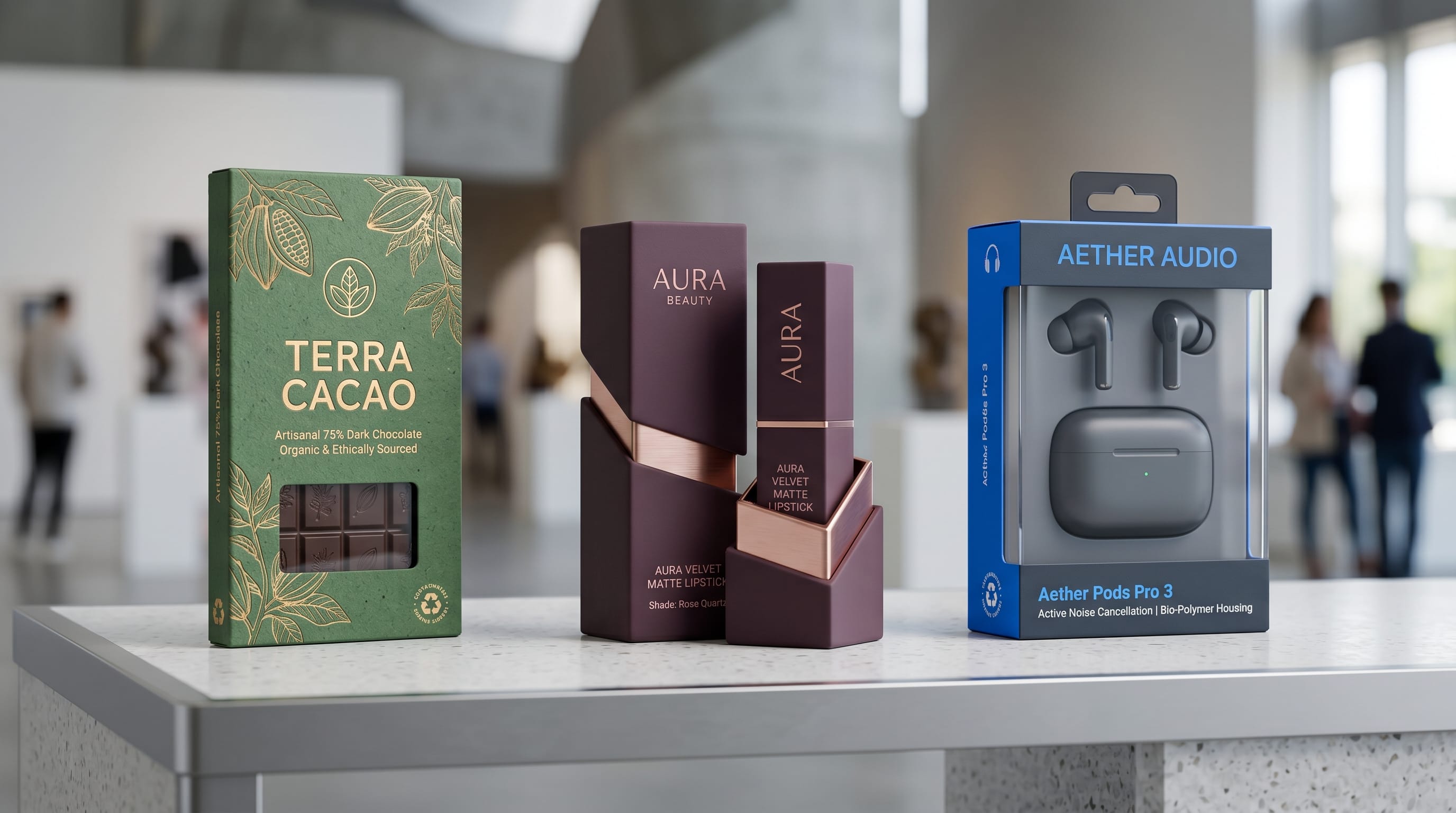
Effective product packaging design does much more than protect a product. It communicates brand values, attracts attention, influences purchasing decisions, and creates memorable customer experiences. In today’s competitive marketplace, consumers often make buying decisions within seconds, making packaging one of the most important marketing assets a business can have.
Whether selling products in retail stores or online marketplaces, investing in professional product packaging design can significantly improve brand recognition and customer perception. Packaging serves as a silent salesperson that helps communicate quality, trust, and value before a customer even uses the product.
The best product packaging design combines strategic branding, thoughtful typography, appealing colors, practical functionality, and strong visual storytelling. In this guide, you will learn key packaging principles, branding strategies, recommended tools, and DM Letter Studio font pairings that help create stronger branding results.
Why Product Packaging Design Matters
Packaging often creates the first impression of a brand.
Strong product packaging design helps businesses:
- Increase product visibility
- Improve brand recognition
- Build customer trust
- Support premium pricing
- Improve shelf appeal
- Encourage repeat purchases
- Strengthen marketing campaigns
Good packaging can become a competitive advantage.
Understanding Product Packaging Design Fundamentals
Successful packaging balances aesthetics and functionality.
Core Elements of Product Packaging Design
Most packaging projects include:
- Logo placement
- Typography
- Color palette
- Product information
- Brand messaging
- Visual hierarchy
Together, these elements create a cohesive brand experience.
Packaging as a Marketing Tool
Packaging influences customer behavior through:
- Visual appeal
- Emotional connection
- Brand perception
- Product differentiation
Many successful brands treat packaging as part of their marketing strategy.
Product Packaging Design for Brand Recognition
Consistent branding helps products become memorable.
Building a Consistent Brand Identity
Every package should reinforce:
- Brand colors
- Typography
- Logo system
- Brand personality
Consistency improves recognition across product lines.
Creating Memorable Packaging
Strong product packaging design often includes:
- Distinctive shapes
- Unique colors
- Clear messaging
- Recognizable typography
Memorable packaging increases customer recall.
Product Packaging Design Color Psychology
Colors influence customer perceptions and emotions.
Blue Packaging for Trust
Blue often communicates:
- Reliability
- Professionalism
- Security
Common industries:
- Technology
- Health
- Financial services
Green Packaging for Sustainability
Green often represents:
- Nature
- Wellness
- Eco-friendliness
Popular among organic and environmentally conscious brands.
Black Packaging for Premium Products
Black frequently communicates:
- Luxury
- Exclusivity
- Sophistication
Premium products often use black-based packaging systems.
Red Packaging for Attention
Red helps create:
- Energy
- Urgency
- Excitement
Many food and beverage brands use red effectively.
Product Packaging Design Typography Guide
Typography strongly influences product perception.
Choosing the Right Packaging Fonts
Good packaging typography should be:
- Readable
- Consistent
- Scalable
- Brand appropriate
Typography often becomes a key branding element.
Typography Hierarchy for Packaging
A clear hierarchy should include:
Primary Information
- Product name
- Brand name
Secondary Information
- Product benefits
- Features
Supporting Information
- Ingredients
- Instructions
- Legal details
Strong hierarchy improves usability.
Also Read: Packaging Design Trends for Better Visual Impact and Sales
Font Pairings for Product Packaging Design
Typography can dramatically improve packaging quality.
1. Omarta + Melvick
Perfect for:
- Premium brands
- Technology products
- Corporate packaging
Benefits:
- Professional appearance
- Strong readability
- Modern branding
2. Chalk Field + New Austin
Ideal for:
- Artisan products
- Handmade goods
- Farmers market brands
This pairing creates warmth and authenticity.
3. Beauty Signature + Rosa
Best for:
- Beauty products
- Skincare packaging
- Lifestyle brands
The combination feels elegant and sophisticated.
4. Apple Crush + Honey Beezy
Perfect for:
- Food products
- Bakery packaging
- Children’s brands
These fonts create a friendly and approachable personality.
5. Puffy Love + Dear Shine
Ideal for:
- Gift products
- Seasonal collections
- Youth-focused brands
This pairing adds fun and playfulness.
Product Packaging Design by Industry
Different industries require different approaches.
1. Food Packaging Design
Focus on:
- Appetite appeal
- Ingredient visibility
- Brand personality
Food packaging should communicate freshness and quality.
2. Beauty Product Packaging Design
Focus on:
- Premium aesthetics
- Clean layouts
- Elegant typography
Beauty customers often evaluate products visually.
3. Technology Packaging Design
Focus on:
- Simplicity
- Modern aesthetics
- Professional branding
Technology brands often use minimal packaging systems.
Best Tools for Product Packaging Design
Professional tools improve design quality and efficiency.
1. Canva
Best for:
- Packaging mockups
- Label concepts
- Marketing visuals
Benefits:
- Easy-to-use interface
- Ready-made templates
- Fast workflow
Canva works well for small businesses.
2. Adobe Illustrator
Best for:
- Professional packaging layouts
- Print-ready designs
- Vector artwork
Benefits:
- Industry-standard software
- Advanced typography tools
- Precision design controls
Illustrator remains a top choice for packaging designers.
3. Adobe Photoshop
Best for:
- Product mockups
- Packaging presentations
- Marketing visuals
Benefits:
- Advanced image editing
- Realistic mockups
- Advertising graphics
4. Figma
Best for:
- Packaging systems
- Team collaboration
- Brand guideline development
Benefits:
- Real-time collaboration
- Design consistency
- Shared asset libraries
AI Tools for Product Packaging Design
Artificial intelligence can accelerate concept development.
Useful for:
- Packaging ideas
- Mood boards
- Branding concepts
- Visual exploration
AI helps designers generate multiple creative directions quickly.
1. ChatGPT
Best for:
- Packaging concepts
- Brand positioning
- Product messaging
- Design prompts
Many businesses use ChatGPT during the early planning stage.
2. Midjourney
Best for:
- Packaging inspiration
- Product visuals
- Concept exploration
Benefits:
- High-quality image generation
- Fast creative ideation
- Visual experimentation
3. Adobe Firefly
Best for:
- Packaging graphics
- Marketing visuals
- Creative backgrounds
Firefly integrates well into Adobe workflows.
Also Read: Packaging Design for Candles for Better Sales Results
Recommended Workflow for Product Packaging Design
Professional packaging projects often follow a structured process.
1. Define Brand Strategy
Identify:
- Target audience
- Brand personality
- Product positioning
Strong packaging begins with strategy.
2. Research Competitors
Analyze:
- Packaging trends
- Industry standards
- Market opportunities
Research helps identify differentiation opportunities.
3. Build Mood Boards
Collect inspiration for:
- Colors
- Typography
- Layouts
- Photography
Mood boards guide creative direction.
4. Create Packaging Concepts
Develop:
- Multiple layouts
- Color variations
- Typography systems
Testing several directions improves outcomes.
5. Build Production Files
Finalize:
- Packaging dimensions
- Print specifications
- Brand assets
Accuracy becomes critical during production.
6. Test and Refine
Review:
- Shelf visibility
- Readability
- Brand consistency
- Customer feedback
Continuous improvement strengthens packaging performance.
Common Product Packaging Design Mistakes
Avoid these common issues.
1. Overcrowding the Layout
Too much information can reduce clarity.
Focus on:
- Simplicity
- Hierarchy
- White space
Clean packaging often performs better.
2. Weak Typography Choices
Avoid:
- Difficult-to-read fonts
- Excessive font combinations
- Poor hierarchy
Typography should support communication.
3. Ignoring Brand Consistency
Packaging should align with:
- Website branding
- Social media assets
- Advertising campaigns
Consistency improves recognition.
Future Trends in Product Packaging Design
Packaging continues evolving.
Emerging trends include:
- Sustainable materials
- Smart packaging
- AI-assisted design
- Minimal packaging systems
- Personalized product experiences
Brands increasingly prioritize both aesthetics and sustainability.
Benefits of Strong Product Packaging Design
Businesses that invest in professional product packaging design often achieve:
- Better brand recognition
- Increased customer trust
- Improved product visibility
- Stronger shelf presence
- Higher perceived value
- Better marketing performance
Packaging remains one of the most effective branding investments.
Also Read: AI Prompts for Packaging Designers: Luxury to Eco
Conclusion
Effective product packaging design combines branding, typography, color psychology, functionality, and strategic marketing into one cohesive customer experience. Whether creating food packaging, beauty products, technology packaging, or artisan goods, strong design helps products stand out in competitive markets.
By using professional design tools, following a structured workflow, selecting appropriate typography, and applying strong branding principles, businesses can create packaging that supports recognition, trust, and long-term growth. Investing in thoughtful product packaging design is not just about appearance. It is about creating a memorable brand experience that encourages customers to choose your product again and again.