
Sustainable Packaging Design for Better Marketing Results
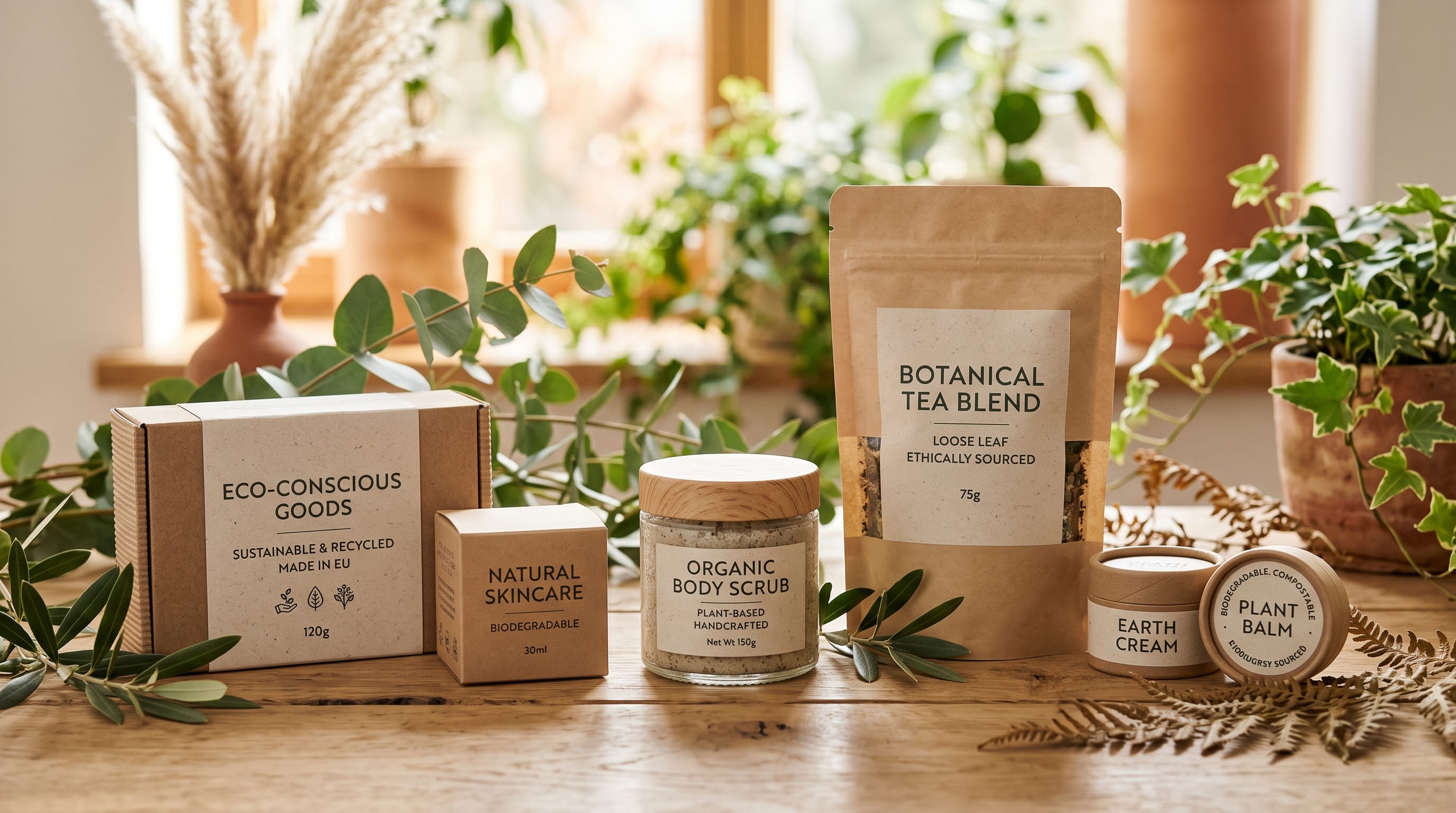
Sustainable packaging design has become an important marketing strategy for brands that want to reduce waste, meet customer expectations, and build a more responsible identity. Modern consumers increasingly notice how products are packaged, which materials are used, and whether brands make genuine efforts to reduce their environmental impact. As a result, packaging is no longer only a protective container. It is also a powerful communication tool.
A successful package must protect the product, communicate its value, attract attention, and support the brand’s environmental goals. When these elements work together, sustainable packaging design can strengthen customer trust and make a product more competitive.
However, sustainability should not be treated as a decorative trend. Adding green colors, leaf icons, or environmental claims does not automatically make packaging responsible. Brands need to consider materials, manufacturing, transportation, product protection, disposal, and customer behavior.
This guide explains how brands can use sustainable packaging design to improve marketing performance while reducing unnecessary materials and environmental impact.
Why Sustainable Packaging Design Matters
Packaging is often the first physical interaction a customer has with a product. Before they use the item, they see the box, bottle, label, pouch, or wrapping.
Effective sustainable packaging design can help brands:
- Reduce material waste
- Improve customer perception
- Communicate environmental values
- Strengthen product differentiation
- Lower shipping weight
- Improve storage efficiency
- Encourage responsible disposal
- Build long-term brand loyalty
Customers may evaluate the entire company based on the quality and responsibility of its packaging. Excessive plastic, oversized boxes, and unnecessary layers can make a brand appear wasteful.
In contrast, a simple and thoughtfully constructed package can demonstrate efficiency, care, and transparency.
How Sustainable Packaging Design Improves Marketing
Sustainable packaging can support both environmental and commercial goals.
Sustainable Packaging Design Builds Brand Trust
Customers are more likely to trust a brand when its actions match its messaging.
A business that promotes environmental responsibility but uses excessive disposable packaging may create doubt. A company that clearly explains its material choices and disposal instructions appears more credible.
Trust grows when sustainability claims are:
- Specific
- Easy to understand
- Realistic
- Supported by evidence
- Consistent across the brand
Instead of making broad claims such as “100% eco-friendly,” brands should provide useful information about recycled content, recyclability, compostability, or packaging reduction.
Sustainable Packaging Design Creates Product Differentiation
Many retail categories are crowded with similar products. Packaging can help one item stand out from competitors.
A distinctive sustainable package may use:
- Recycled paper textures
- Minimal printing
- Refillable containers
- Reusable structures
- Compact formats
- Natural color palettes
- Clear disposal instructions
These details can communicate a meaningful brand story before the customer reads the product description.
Sustainable Packaging Design Supports Customer Loyalty
Customers often remain loyal to companies that share their values.
When packaging is convenient, attractive, and responsible, it contributes to a positive brand experience. Customers may also share impressive packaging on social media, recommend the product, or choose the brand again.
The package becomes part of the relationship between the company and its audience.
Sustainable Packaging Design Materials
Material selection is one of the most important parts of sustainable packaging.
Recycled Paper and Cardboard
Recycled paper and cardboard are widely used because they are versatile and familiar to consumers.
They work well for:
- Shipping boxes
- Product cartons
- Sleeves
- Inserts
- Labels
- Protective dividers
Brands should avoid unnecessary lamination, plastic coatings, or mixed materials that make recycling more difficult.
The design can also use the natural color and texture of recycled paper instead of covering the entire surface with ink.
Molded Pulp Packaging
Molded pulp is commonly made from recycled paper fibers. It can replace plastic trays, foam inserts, and other protective components.
It is useful for:
- Electronics
- Cosmetics
- Bottled products
- Food containers
- Fragile items
Molded pulp can be shaped around the product, providing protection with less plastic.
Compostable Packaging Materials
Some brands use compostable materials made from plant-based sources.
These materials may be suitable for:
- Food packaging
- Disposable service items
- Produce bags
- Flexible packaging
- Protective wrapping
However, brands should explain whether the material requires industrial composting or can break down in a home composting environment. Unclear instructions may lead customers to dispose of it incorrectly.
Reusable Packaging
Reusable packaging is designed to remain useful after the original product is consumed.
Examples include:
- Refillable bottles
- Durable jars
- Storage boxes
- Reusable shopping bags
- Returnable shipping containers
A reusable package should have a clear purpose. Simply creating a strong box does not guarantee that customers will continue using it.
Sustainable Packaging Design Strategies
Material choice is only one part of the solution. The overall structure and system also matter.
Reduce Unnecessary Packaging
The most direct strategy is to use less material.
Brands should review whether the product needs:
- Multiple boxes
- Plastic wrapping
- Decorative sleeves
- Oversized inserts
- Excessive labels
- Unnecessary protective layers
Reducing material can also lower production, storage, and transportation costs.
Design Packaging Around the Product
Oversized packaging wastes material and takes up additional shipping space.
Good sustainable packaging design follows the product’s dimensions closely while providing enough protection. Designers should avoid large empty spaces unless they are necessary for safety.
Compact packaging allows more products to fit into each shipping carton, truck, or storage area.
Choose Mono-Material Packaging
Packaging made from one material is often easier to recycle than packaging that combines plastic, foil, paper, and adhesives.
For example, a paper box with a plastic window may require the customer to separate the materials. Many customers will not do this.
A mono-material alternative can simplify disposal and improve recycling potential.
Design for Easy Separation
When several materials are necessary, they should be easy to separate.
Designers can use:
- Removable labels
- Tear-away sections
- Minimal adhesives
- Detachable components
- Clear separation instructions
The customer should not need special tools to prepare the packaging for disposal.
Also Read: Packaging Design Trends for Better Visual Impact and Sales
Visual Branding in Sustainable Packaging Design
Sustainable packaging still needs to attract customers and communicate product value.
Use a Focused Color Palette
Natural colors are often associated with sustainable products, but every responsible brand does not need to use green or brown.
Brands can use their existing colors while reducing ink coverage.
A focused palette may include:
- One primary brand color
- One neutral background
- One accent color
- Black or dark gray for text
Fewer colors can create a cleaner and more recognizable design.
Use Typography to Create Shelf Impact
Strong typography can reduce the need for excessive decoration.
A bold product name, clear hierarchy, and readable supporting information can make minimalist packaging feel confident rather than empty.
Typography should clearly separate:
- Brand name
- Product name
- Product benefit
- Variant or flavor
- Quantity
- Instructions
- Sustainability information
Readable text is especially important for recycling and disposal guidance.
Use Illustrations Carefully
Illustrations can communicate ingredients, origin, craftsmanship, or product benefits.
However, decorative elements should not make the packaging appear more sustainable than it actually is. Images of forests, leaves, and wildlife can become misleading when they are not connected to real environmental action.
Every visual element should support the product story.
Sustainable Packaging Design and Brand Messaging
Environmental messaging should be clear and honest.
Explain Material Choices
Instead of using vague symbols, brands can write statements such as:
- Made with 80% recycled paper
- Bottle designed for refilling
- Remove the label before recycling
- Certified compostable in industrial facilities
- Packaging reduced by 30%
- Reuse this container for storage
Specific information helps customers understand what the brand has achieved.
Avoid Greenwashing
Greenwashing occurs when a company exaggerates or misrepresents its environmental benefits.
Common problems include:
- Unverified environmental claims
- Misleading green imagery
- Vague words such as natural or eco-friendly
- Hidden plastic components
- Claims that apply only to a small part of the package
- Recyclability claims without local context
Honest communication protects brand reputation and supports long-term trust.
Add Clear Disposal Instructions
Customers should understand what to do with the package after use.
Instructions can explain whether each component should be:
- Recycled
- Reused
- Composted
- Returned
- Separated
- Disposed of normally
Simple icons can support the instructions, but written explanations are often necessary.
Sustainable Packaging Design for Ecommerce Brands
Ecommerce packaging has different requirements from retail packaging.
Products shipped directly to customers need protection throughout delivery. However, many ecommerce brands use shipping boxes that are much larger than the products inside.
A more efficient ecommerce strategy can include:
- Right-sized boxes
- Paper-based padding
- Reusable mailers
- Minimal plastic tape
- Direct printing on the shipping box
- Fewer internal cartons
- Return-ready packaging
Brands should also consider the unboxing experience.
A sustainable unboxing experience does not need multiple layers, tissue paper, ribbons, stickers, and cards. A simple opening sequence can still feel thoughtful when the structure, typography, and messaging are well designed.
Common Sustainable Packaging Design Mistakes
1. Using Too Much Packaging
Adding several layers can weaken the brand’s sustainability message.
Designers should remove every element that does not protect the product, provide information, or improve usability.
2. Prioritizing Appearance Over Protection
Packaging that fails to protect the product can create more waste than traditional packaging.
Damaged products may need to be replaced, reshipped, or discarded. Sustainability must include product protection.
3. Choosing Materials Without Considering Disposal
A material may appear sustainable but require facilities that are unavailable to the customer.
Brands should research how the package will realistically be handled after use.
4. Making Claims Customers Cannot Verify
Environmental claims should be supported by specific facts, certifications, or measurable improvements.
Transparency is more persuasive than broad promotional language.
5. Ignoring Manufacturing and Shipping
A package should be evaluated across its entire lifecycle.
Design decisions can affect:
- Material sourcing
- Energy use
- Manufacturing waste
- Transportation
- Storage
- Product protection
- End-of-life disposal
Also Read: Packaging Design for Candles for Better Sales Results
Best Tools for Sustainable Packaging Design
1. Adobe Illustrator
Adobe Illustrator is ideal for:
- Packaging artwork
- Vector graphics
- Label design
- Dieline preparation
- Print-ready files
Designers can create accurate layouts and prepare scalable branding assets.
2. Adobe Dimension
Adobe Dimension is useful for:
- Packaging mockups
- 3D product presentations
- Material visualization
- Client approval
It helps brands preview packaging before creating physical samples.
3. Blender
Blender provides advanced 3D modeling and rendering features.
It can be used for:
- Custom package structures
- Realistic material testing
- Ecommerce visuals
- Marketing presentations
- Packaging animation
4. Figma
Figma is helpful during early planning and collaboration.
Teams can use it for:
- Mood boards
- Visual systems
- Packaging concepts
- Feedback collection
- Brand guidelines
5. Canva
Canva is practical for simple packaging concepts and marketing presentations.
It works well for:
- Basic label layouts
- Concept boards
- Social media graphics
- Product launch materials
- Brand presentations
Professional print production may still require specialized design software.
6. Esko Studio
Esko Studio is designed for professional packaging workflows.
It supports:
- Structural previews
- 3D packaging visualization
- Print production
- Label simulation
- Packaging artwork checks
It is especially useful for agencies and established packaging teams.
Sustainable Packaging Design Workflow
1. Review the Product Requirements
Identify the product’s:
- Size
- Weight
- Fragility
- Storage needs
- Shipping conditions
- Shelf-life requirements
Packaging must protect the product before other design decisions are made.
2. Define Sustainability Goals
Choose measurable goals such as:
- Reducing plastic
- Lowering package weight
- Increasing recycled content
- Improving recyclability
- Creating a refill system
- Reducing shipping volume
Clear goals make the project easier to evaluate.
3. Research Materials and Suppliers
Compare materials based on:
- Performance
- Availability
- Cost
- Environmental impact
- Printing compatibility
- Disposal options
Suppliers should be able to provide reliable technical information.
4. Develop the Packaging Structure
Create a structure that uses the least material necessary while protecting the product.
Test several shapes and construction methods before selecting the final design.
5. Create the Visual Identity
Apply branding through:
- Typography
- Color
- Illustration
- Information hierarchy
- Sustainability messaging
The final design should look attractive without depending on excessive printing or decoration.
6. Produce Physical Prototypes
Digital mockups cannot reveal every practical issue.
Physical samples should be tested for:
- Strength
- Opening experience
- Product fit
- Label adhesion
- Shipping durability
- Customer usability
7. Test Customer Understanding
Ask users whether they understand:
- How to open the package
- How to reuse it
- Which environmental claims are being made
- How to separate its parts
- How to dispose of it
Confusing packaging reduces the effectiveness of the design.
8. Measure the Results
After launch, brands should measure:
- Customer feedback
- Packaging complaints
- Damage rates
- Shipping efficiency
- Material reduction
- Repeat purchases
- Social engagement
These insights can guide future improvements.
Benefits of Sustainable Packaging Design
A thoughtful sustainable packaging design strategy can deliver several business benefits:
- Stronger brand trust
- Better product differentiation
- Reduced material use
- Lower shipping costs
- Improved customer loyalty
- More effective brand storytelling
- Better alignment with customer values
- Greater marketing visibility
The strongest results occur when environmental responsibility and customer experience support each other.
Also Read: Packaging Design for Jewelry for Better Branding Results
Conclusion on Sustainable Packaging Design
Sustainable packaging design can help brands reduce waste while improving how customers perceive, understand, and remember their products. It combines responsible material choices, efficient structures, clear communication, strong typography, and practical disposal guidance.
Brands should avoid treating sustainability as a temporary visual trend. Meaningful progress requires measurable goals, honest claims, product protection, and ongoing improvement.
When applied strategically, sustainable packaging design becomes more than an environmental initiative. It becomes a powerful marketing advantage that strengthens customer trust, supports brand loyalty, and creates better long-term business results.
For high-quality fonts to boost your income, check out DM Letter Studio. Our professional fonts are perfect for branding, marketing, and content creation. So, don’t miss this opportunity.