
Retro Graphic Design Styles Guide for Better Visual Results
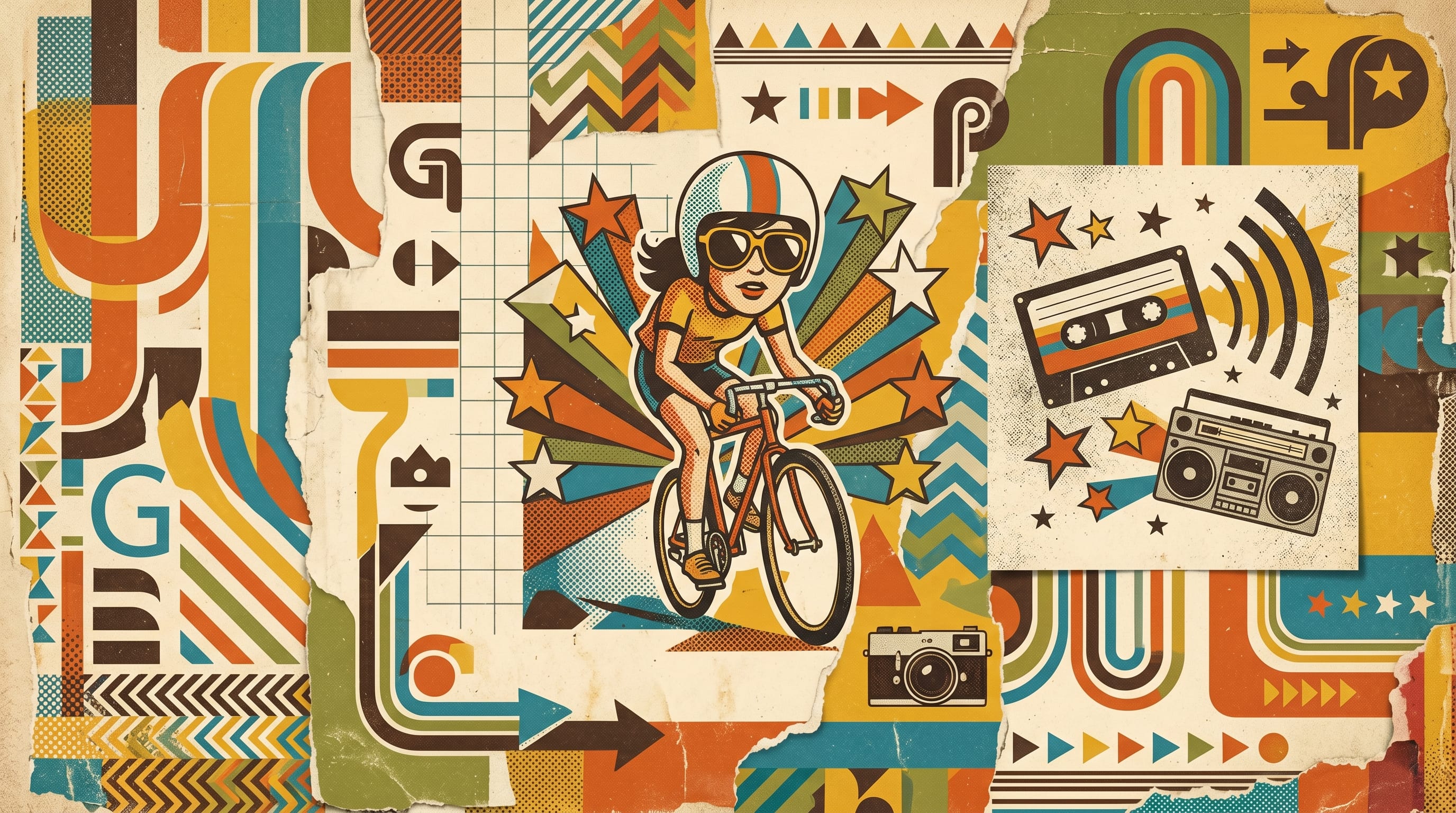
Using the right retro graphic design styles can bring personality, nostalgia, and strong visual identity to your creative projects. Many designers use modern minimal layouts, but vintage-inspired visuals continue to stand out because they create emotional connection and memorable branding. Well-crafted retro graphic design styles combine classic aesthetics with modern creativity to produce unique results.
In this guide, you’ll explore the most popular retro graphic design styles, practical applications, and creative tips for designers and marketers. Whether you are designing posters, branding, or social media visuals, these retro graphic design styles can help you achieve better visual results.
Why Retro Graphic Design Styles Remain Popular
Many creators continue using retro design styles because they feel timeless and expressive.
Benefits include:
- Strong nostalgic appeal
- Unique visual identity
- Memorable branding
When used correctly, retro design styles help projects stand out in crowded markets.
Understanding Retro Graphic Design Styles and Visual Identity
Successful retro design styles often combine typography, textures, and color palettes inspired by past decades.
1. Vintage Typography
Bold serif fonts and script lettering create nostalgic aesthetics.
2. Classic Color Palettes
Warm orange, muted yellow, teal, and cream are common in retro visuals.
3. Textured Effects
Film grain, faded paper, and distressed textures enhance authenticity.
These elements define strong retro design styles.
1970s Retro Graphic Design Styles
The 1970s inspired many iconic retro design styles.
1. Earth Tone Colors
Brown, orange, mustard yellow, and olive green dominate.
2. Curved Typography
Rounded fonts create a playful and warm feeling.
3. Psychedelic Layouts
Organic shapes and flowing compositions create movement.
These retro design styles are ideal for lifestyle branding and posters.
1980s Retro Graphic Design Styles
The 1980s introduced bold and energetic retro design styles.
1. Neon Color Palettes
Bright pink, electric blue, and purple create strong contrast.
2. Geometric Shapes
Triangles, grids, and sharp lines define the aesthetic.
3. Synthwave Influence
Futuristic retro visuals remain popular today.
These retro design styles work well for music, gaming, and entertainment branding.
1990s Retro Graphic Design Styles
1990s-inspired retro design styles focus on bold and experimental visuals.
1. Grunge Textures
Distressed elements create raw aesthetics.
2. Bold Typography
Heavy fonts and layered layouts dominate.
3. Collage Style
Mixed visuals and overlapping graphics create dynamic compositions.
These retro design styles fit streetwear and youth-oriented branding.
Also Read: Best 30 Graphic Design Tips for Better and Faster Results
Minimal Retro Graphic Design Styles
Minimal approaches to retro design styles combine vintage inspiration with modern simplicity.
1. Limited Color Palette
Use only two or three dominant colors.
2. Simple Shapes
Keep compositions clean and balanced.
3. Elegant Typography
Use refined vintage-inspired fonts.
Minimal retro design styles work well for modern branding.
Retro Graphic Design Styles for Branding
Using retro design styles in branding creates strong emotional impact.
1. Food and Beverage Brands
Vintage aesthetics create authenticity and comfort.
2. Fashion Branding
Retro visuals make brands feel stylish and expressive.
3. Music and Entertainment
Nostalgic styles connect emotionally with audiences.
These retro design styles help brands become memorable.
Typography in Retro Graphic Design Styles
Typography plays a major role in retro design styles.
1. Bold Serif Fonts
Like Caskford perfect for vintage posters.
2. Script and Handwritten Fonts
Like Eighties (Retro script font) and Glowy Mood (Handwritten font) create warm and nostalgic moods.
3. Rounded Display Fonts
Add playful retro energy like Meltipop Retro Font.
Strong typography strengthens your retro design styles.
Color Palettes in Retro Graphic Design Styles
Color is essential in retro design styles.
1. Warm Vintage Tones
Brown, orange, cream, and muted red create nostalgia.
2. Bright Retro Neon
Pink, cyan, and purple create energetic visuals.
3. Soft Pastel Retro
Muted pastel colors create calm retro aesthetics.
Effective palettes improve your retro design styles.
Also Read: Graphic Design Color Guide That Makes Learning Easy
Common Mistakes in Retro Graphic Design Styles
Avoid these mistakes:
- Overusing vintage effects
- Poor typography choices
- Too many conflicting colors
- Cluttered compositions
Avoiding these issues improves your retro design styles results.
Tips to Improve Retro Graphic Design Styles
To create better retro design styles:
- Study vintage references
- Use authentic color palettes
- Focus on typography hierarchy
- Combine retro and modern elements carefully
These tips strengthen your retro design styles.
Tools to Create Retro Graphic Design Styles
Using the right tools improves your retro design workflow.
Popular tools include:
- Adobe Illustrator for vector graphics
- Photoshop for textures and effects
- Canva for quick retro templates
These tools support your retro design process.
How Retro Graphic Design Styles Improve Branding
Using strong retro design styles helps you:
- Build emotional connection
- Create memorable visuals
- Differentiate your brand
Well-designed retro design styles create lasting visual impact.
Also Read: Free Graphic Design Tools for Beginners Who Want Pro Results
Final Thoughts on Retro Graphic Design Styles
Mastering retro graphic design styles is a powerful way to create distinctive and visually engaging designs. By understanding typography, color palettes, and vintage aesthetics, you can produce designs that feel nostalgic while remaining modern and relevant.
Start experimenting with different retro graphic design styles and refine your visual approach. With the right balance of creativity and nostalgia, your designs can stand out and deliver better visual results.